Learning how to start a hair salon business requires balancing creative cosmetology expertise with rigorous financial budgeting, regulatory licensing, and studio lease management. By following a structured launch strategy, independent stylists can transition smoothly from commission employment into owning a thriving, profitable private salon enterprise. This practical roadmap guides beauty professionals through every operational milestone necessary to build a sustainable, client-centered studio business from the ground up.
Stepping into commercial ownership demands a shift in mindset from technical stylist to managing entrepreneur. Beyond delivering precision haircuts and complex color formulations, an owner oversees cash flow projections, commercial lease negotiations, retail inventory management, and digital client booking platforms. Crafting a detailed salon suite business plan provides the structural blueprint required to anticipate recurring overhead, evaluate capital needs, and establish profitable service pricing tiers.
Federal guidance outlined in the Small Business Administration Guide to Business Plans emphasizes that detailed market analysis and conservative cash forecasting form the core foundation of successful independent enterprises. Understanding your break-even requirements before committing to physical lease agreements protects your venture against unexpected startup shortfalls.
Developing Your Initial Salon Business Concept
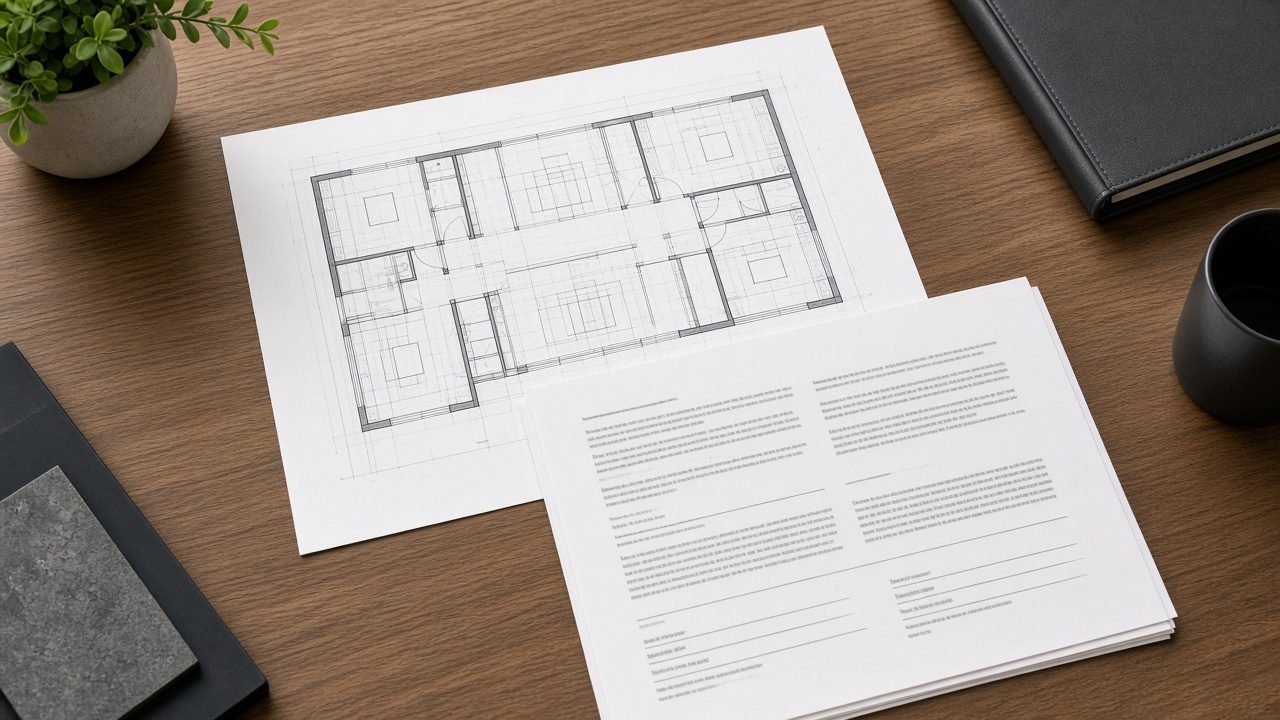
The first stage of launching your venture involves defining your target demographic, signature service offerings, and brand positioning within your local marketplace. Independent cosmetologists must decide whether to pursue a multi-chair traditional storefront, rent a commercial booth, or lease a private micro-studio within an established beauty collective. Each model carries distinct financial obligations, daily management requirements, and lifestyle implications.
For many practitioners seeking autonomy without the crushing overhead of a standalone building, private suites offer an ideal launchpad. Developing creative hair salon business ideas allows you to tailor your studio environment to a niche clientele, such as blonde color transformations, bridal styling, or curly hair care. Specialization enables stylists to command premium service fees while establishing a distinctive, memorable brand identity.
Before investing financial resources into physical studio equipment or branding collateral, evaluate the size and loyalty of your existing client following. Cosmetology industry data indicates that stylists should retain at least sixty consistent, recurring clients who will follow them to a new independent space. A dependable client foundation provides immediate working cash flow to cover baseline rent during your opening weeks of operation.
Choosing Between Standalone Studios and Suite Collectives
Standalone retail spaces offer complete creative control over external signage, window displays, and retail product lines, but they require significant capital for tenant build-outs, commercial plumbing, and municipal permits. Conversely, private salon suites provide turnkey mechanical infrastructure—including backwash shampoo bowls, styling chairs, hot water heaters, and utility connections—drastically lowering initial barrier costs.
Reviewing our detailed hair salon business plan guide helps prospective operators model the financial differences between these commercial environments. By comparing commercial tenant build-out expenditures with turnkey suite leases, stylists make grounded decisions aligned with their personal savings and risk tolerance.
Securing Commercial Leases and Salon Suite Studios
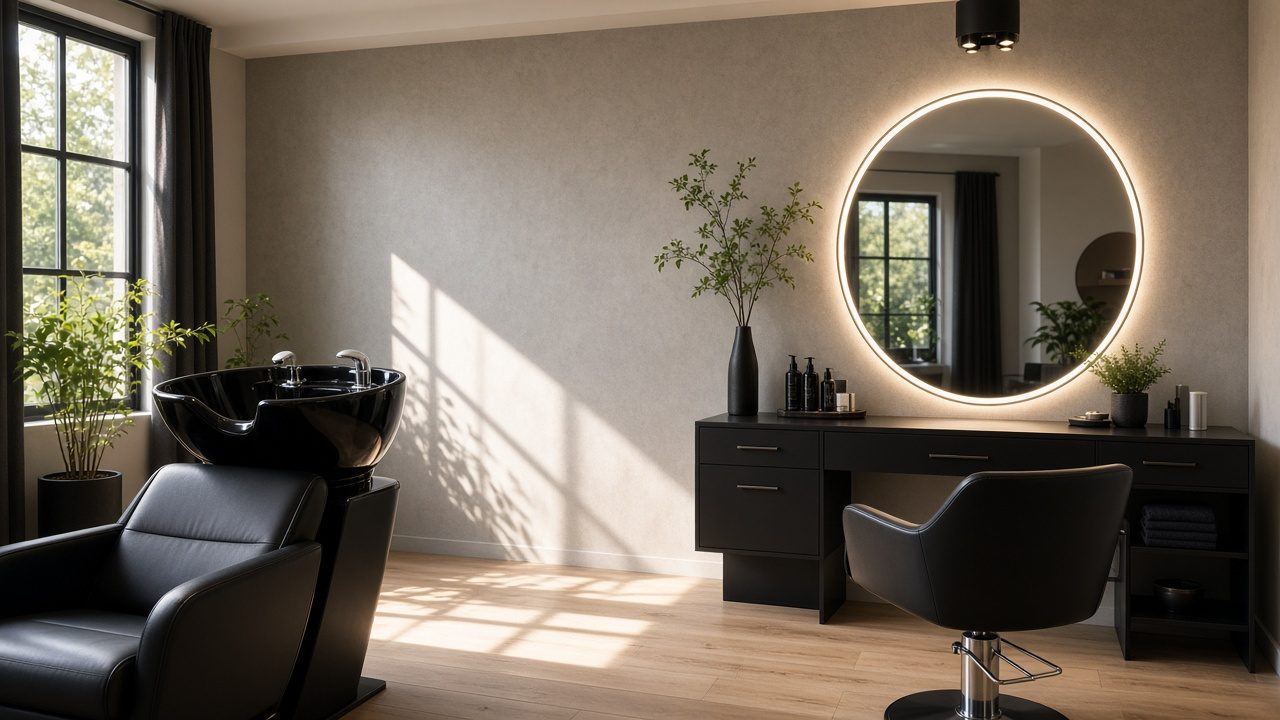
Negotiating your physical commercial lease is among the most consequential legal commitments you will make as a new salon owner. Commercial leases often span one to three years for private suites and three to ten years for standalone storefront properties. Scrutinize all lease clauses carefully to understand whether your base rent includes essential utilities such as electricity, water, high-speed internet, and commercial trash disposal.
Facility location plays a vital role in client retention and booking convenience. Prioritize commercial properties with ample customer parking, well-lit entry corridors, ADA-compliant accessibility, and secure entry systems for late-evening appointments. Proximity to high-income residential subdivisions or vibrant retail shopping centers enhances client perception and reinforces premium pricing structures.
Before executing any binding lease agreement, verify that the facility maintains robust mechanical heating, ventilation, and air conditioning systems capable of handling beauty chemicals. Reviewing occupational guidelines established by the OSHA Hair Salons Safety Standards highlights the importance of adequate fresh-air ventilation to remove chemical vapors, bleaching dust, and styling aerosols from enclosed personal workspaces.
Evaluating Facility Rules and Aesthetic Guidelines
When leasing a studio in a shared beauty collective, review the landlord’s rules regarding wall painting, custom cabinetry installation, retail product selection, and operating hours. Certain property managers restrict after-hours access or prohibit displaying external promotional signage in common lobbies. Ensure the facility rules support your planned operating schedule and brand aesthetic.
Walk through prospective rental units with a checklist to inspect plumbing water pressure, drain drainage speed, and electrical outlet placement. A station requiring heavy power draw from blow dryers and curling irons requires dedicated twenty-amp electrical circuits to prevent frequent breaker trips during busy styling sessions.
Financing Salon Equipment and Initial Operating Expenses
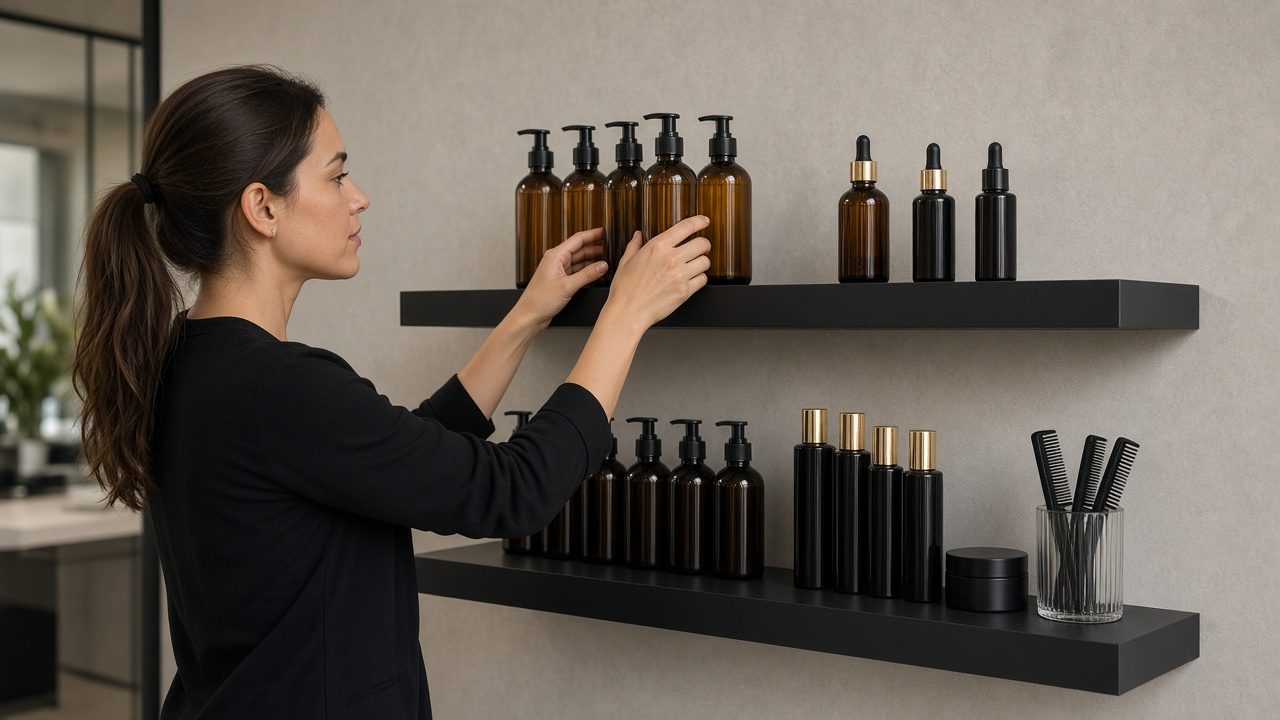
Budgeting accurately for equipment purchases, wholesale chemical backbar inventory, and reserve operating cash prevents early financial distress. When planning how to start a hair salon business, divide your capital expenditures into initial startup assets and ongoing operating expenses. Upfront purchases include styling shears, professional blow dryers, thermal irons, color formulation scales, processing capes, and sanitary towel supplies.
Wholesale backbar chemicals—such as permanent color lines, developers, lightening powders, toners, and bond-building treatments—require an initial outlay of twelve hundred to three thousand dollars. Avoid purchasing excessive inventory of rarely used color shades during your opening month; focus capital strictly on high-turnover base shades and essential processing developers.
Independent practitioners operating a modern hair stylist business should establish an emergency operating cash reserve equal to at least two months of fixed studio expenses. This financial cushion covers weekly rent, merchant card fees, and personal income during seasonal booking dips or unexpected illness, ensuring business stability throughout the critical first year.
Acquiring Commercial Salon Furniture and Backbar Tools
When selecting styling chairs and client waiting furniture, prioritize commercial durability and ergonomic functionality. Hydraulic styling chairs should feature stain-resistant vinyl upholstery that resists discoloration from chemical bleaching agents and developer spills. Investing in high-grade salon furniture protects your physical comfort during long service days while conveying professionalism to discerning clients.
Consider equipment financing or commercial leasing options for large capital items if personal savings are limited. Spreading equipment costs across manageable monthly installments preserves liquid cash flow for marketing initiatives and daily operational supplies during your initial launch phase.
Salon Licensing and Health Board Regulatory Approvals
Operating a lawful beauty establishment requires obtaining multiple government approvals at the state and municipal levels. State cosmetology boards require independent stylists to hold an active individual cosmetology license as well as an independent establishment license for their specific studio suite. Consulting the SBA Business Licenses and Permits Guide provides a clear framework for identifying required state and local credentials.
Before opening your doors to the public, local health inspectors will examine your studio to ensure strict compliance with sanitation codes. Requirements typically include an EPA-registered hospital-grade disinfectant container for shears and combs, a closed receptacle for soiled linens, a covered trash container, hot and cold running water, and adequate chemical storage cabinets.
Following the established protocol in our opening a salon suite checklist ensures you submit your municipal zoning permits, fire marshal inspection requests, and commercial general liability insurance policies in the correct sequence, avoiding administrative delays on opening day.
Securing Business Liability and Property Insurance
Comprehensive insurance coverage is essential to protect your personal assets from client injury claims or studio property damage. Independent cosmetologists must maintain commercial general liability insurance and professional malpractice coverage. General liability covers slip-and-fall accidents within your studio, while professional malpractice protects against claims of chemical hair damage, scalp burns, or allergic reactions.
Commercial landlords invariably require tenants to name the property management company as an additional insured party on liability certificates before handing over studio keys. Budget between fifty and ninety dollars per month for a comprehensive salon business insurance package.
Marketing Strategies to Attract Recurring Clients
While retaining existing clients provides your initial revenue base, building a waitlist requires consistent local marketing and digital client engagement. Developing an engaging social media portfolio showcasing high-definition before-and-after transformations is the most cost-effective method to demonstrate technical hair coloring and styling proficiency to prospective clients.
Claim and optimize your local business profiles on Google Business Profile, Apple Maps, and local beauty directories. Encourage satisfied existing clients to post authentic five-star reviews highlighting your salon cleanliness, punctual appointment times, and technical color results. Strong local search rankings generate organic client inquiries from individuals moving into your neighborhood.
Implement an automated client management software system that handles online booking, digital intake forms, appointment reminders, and follow-up communications. Automated text confirmations drastically reduce expensive client no-shows, while rebooking prompts sent six weeks after color appointments keep client schedules consistent and studio revenue predictable.
Frequently Asked Questions
How much startup capital is needed to launch an independent salon?
Launching a turnkey private salon suite typically requires between three thousand and eight thousand dollars in startup capital, covering lease security deposits, initial backbar chemical inventory, styling tools, licensing fees, and reserve operating cash. Opening a larger standalone storefront salon requires significantly higher capital, often ranging from forty thousand to over one hundred thousand dollars for construction build-outs.
What commercial licenses are required before welcoming salon clients?
Independent salon operators must maintain an active individual cosmetology license, a state salon establishment license for their physical suite, a municipal business tax certificate, and a sales tax registration permit for retail product transactions. Physical studio spaces must also pass local health department and fire safety inspections prior to opening.
How long does it typically take to reach studio profitability?
Independent stylists who launch their studio with a dedicated following of sixty to seventy-five recurring clients often achieve operational profitability within their first thirty to sixty days. Stylists building a client base from scratch may require six to nine months of consistent local marketing to reach full weekly booking capacity.
Should a new salon owner operate as an LLC or a sole proprietorship?
Many independent beauty operators form a single-member Limited Liability Company to separate personal assets from commercial studio liabilities. An LLC structure shields personal savings and property from business debts, lease obligations, and client slip-and-fall claims while maintaining straightforward pass-through tax reporting on federal returns.