A structured salon service menu template allows independent stylists to organize their treatments, establish transparent pricing tiers, and communicate service durations clearly to prospective clients. Building an intentional service menu ensures that your private studio operations remain profitable while preventing appointment scheduling overlap. For cosmetologists operating in independent suites, a well-crafted service menu eliminates client misunderstandings, sets firm boundaries around appointment timing, and elevates the perceived value of your technical services.
Transitioning into independent studio ownership requires stepping away from generic salon menus that list dozens of low-margin offerings. Instead, independent stylists must curate a focused menu of signature treatments that highlight their specialized creative skills and generate predictable hourly revenues. Developing a comprehensive salon suite business plan allows you to align your service menu items directly with your monthly commercial overhead commitments and personal financial goals.
According to small business management principles outlined in the SBA Financial Management Guide, establishing clear pricing structures based on precise cost accounting is essential for maintaining enterprise cash solvency. By structuring your service menu with defined time blocks and calculated product allotments, you protect your working hours from unpaid service creep.
Structuring Core Service Categories and Time Blocks
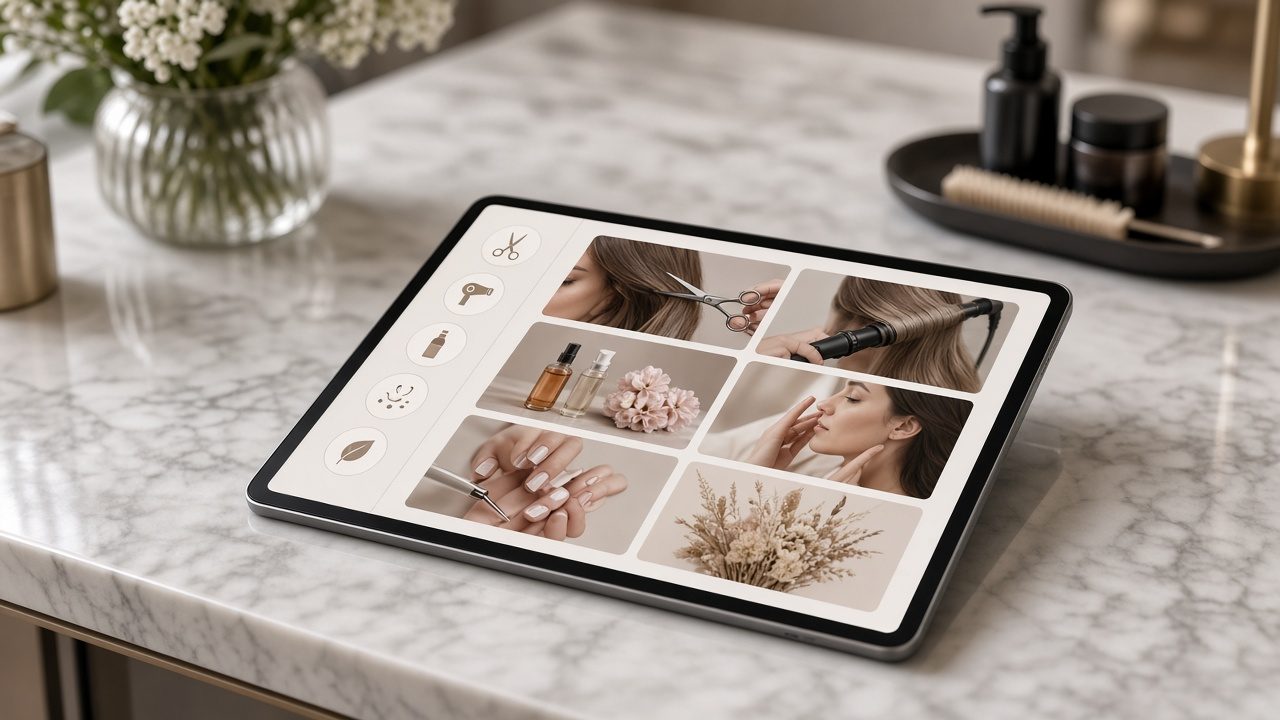
An effective menu structure categorizes hair treatments logically, allowing clients to locate their desired services quickly on your digital booking portal or printed studio cards. Rather than overwhelming clients with dozens of unbundled options, organize your offerings into distinct operational categories: haircutting and styling, color maintenance, dimensional blonding, and restorative hair treatments.
Assign precise time blocks to every service on your menu. Time blocking ensures you never rush through technical services while preventing long waiting gaps that diminish daily profitability. For example, allocate sixty minutes for a comprehensive haircut and blow-dry style, ninety minutes for single-process color retouching, and three to four hours for full balayage transformations. Building thirty minutes of sanitation and room turnover time between appointments keeps your schedule running on time throughout the day.
When clients explore what services do hair salons offer, they appreciate clarity regarding what each service includes. State explicitly whether your color services include post-color toners, metal detoxifying treatments, bond-builders, or standard finishing blowouts. Transparent service descriptions build client trust and eliminate awkward price renegotiations at the payment checkout terminal.
Designing Service Menus for Multi-Disciplinary Studios
Beauty professionals managing multi-disciplinary establishments can adapt these principles across related beauty niches. For instance, operators drafting a nail salon service menu layout or a comprehensive beauty salon price list should group offerings by service intensity, such as basic manicures, gel enhancements, and acrylic full sets. In every beauty discipline, transparent service durations ensure consistent workflow management.
Stylists operating within private micro-studios should review our overview of private salon suite layouts to design service spaces that support seamless transition between washing, color processing, and finishing stations. Streamlined physical workflow allows operators to execute menu services efficiently within allocated appointment windows.
Calculating Base Prices for Chemical and Styling Treatments

Setting prices on your service menu requires calculating your fixed facility overhead, technical labor targets, and consumable chemical product costs. Many novice salon operators make the mistake of copying the published prices of neighboring competitors without understanding their own unique operating expenses. True profitability requires pricing each menu item to cover its exact cost of delivery plus a healthy net profit margin.
Begin by calculating your baseline hourly overhead rate. Add together your weekly studio rent, general liability insurance, software subscriptions, merchant processing fees, and laundry expenses, then divide that sum by your planned billable service hours per week. If your weekly fixed overhead totals six hundred dollars and you work twenty-four billable hours, your facility overhead cost is twenty-five dollars per hour before accounting for products or personal income.
Next, factor in chemical backbar usage for each service. Chemical processing solutions, toners, developers, foils, and restorative treatments represent direct variable expenses that must be factored into service pricing. Managing inventory responsibly and complying with OSHA Chemical Safety in Hair Salons standards ensures that chemical supplies are measured accurately, mixed safely, and stored properly to eliminate costly product waste.
Establishing Starting Rates and Customized Service Add-Ons
For complex chemical services where product usage and labor hours vary widely based on client hair length and density, utilize starting-at menu pricing. A starting rate establishes a transparent baseline while allowing you to charge additional fees for extra bowls of color or extended technical work. Clearly note on your menu that additional product bowls incur an extra charge of fifteen to twenty-five dollars.
Incorporate high-margin add-on treatments into your menu to boost average ticket totals without substantially lengthening appointment times. Deep conditioning masks, scalp exfoliating treatments, split-end repair treatments, and glossing glazes require minimal additional labor but deliver noticeable value to the client, elevating your hourly earnings.
Sample Service Menu Layout and Duration Chart
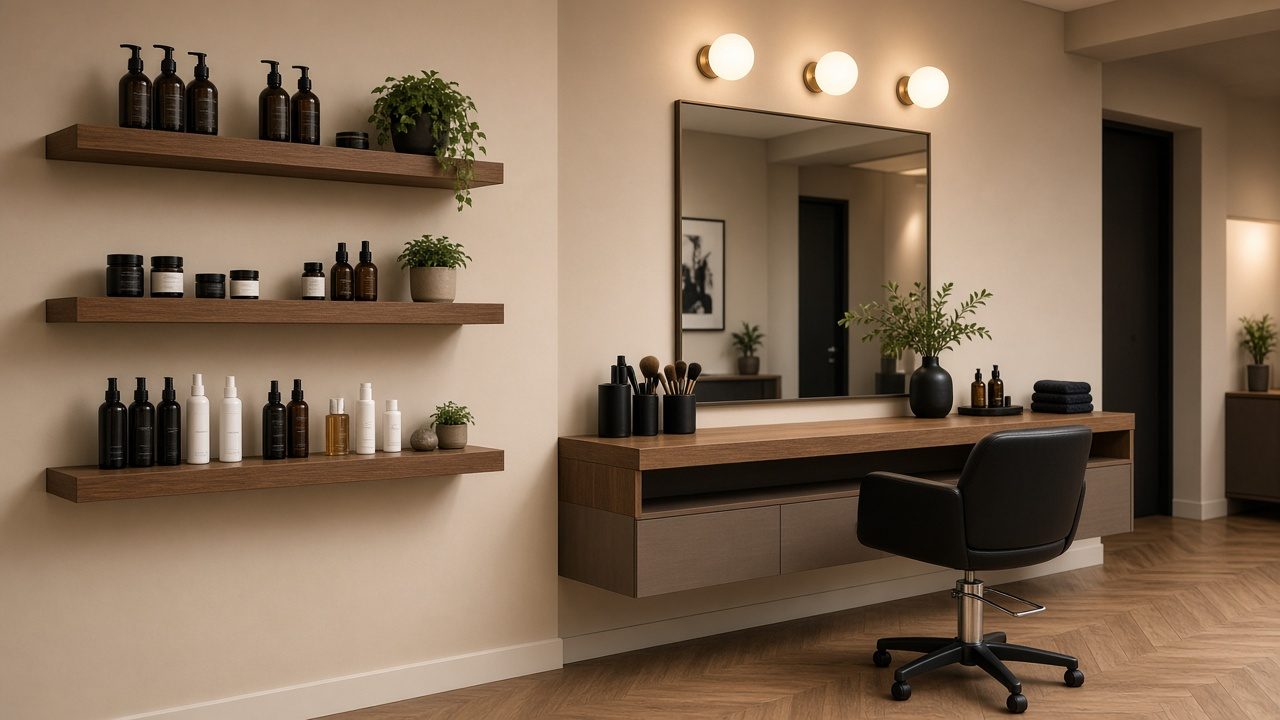
To assist independent stylists in establishing an organized service structure, the following table provides a comprehensive sample menu layout. This chart outlines recommended service categories, appointment time allocations, typical base price benchmarks, and standard inclusions for an independent salon studio operation.
| Service Category | Treatment Offering | Allocated Time | Base Price Benchmark | Standard Inclusions |
|---|---|---|---|---|
| Haircutting & Styling | Signature Haircut & Style | 60 minutes | $75 – $110 | Consultation, scalp massage shampoo, precision cut, blowout |
| Haircutting & Styling | Barber Scissor & Clipper Cut | 45 minutes | $50 – $70 | Shampoo wash, detailed neck taper, hot towel, styling product |
| Color Maintenance | Root Touch-Up & Refresh | 90 minutes | $95 – $135 | Single-process regrowth coverage up to 1 inch, shampoo, blowout |
| Color Maintenance | All-Over Gloss & Tone | 60 minutes | $65 – $90 | Custom demi-permanent gloss formulation, wash, round-brush style |
| Dimensional Blonding | Full Custom Balayage | 210 minutes | $225 – $350 | Full dimensional painting, bond-builder, toner, haircut, finish |
| Dimensional Blonding | Partial Foil Highlights | 135 minutes | $145 – $205 | Crown and hairline foils, custom toner, shampoo, blowout |
| Restorative Care | Deep Conditioning Treatment | 30 minutes | $35 – $55 | Targeted moisture mask, steam towel therapy, rinse (add-on) |
When adapting this menu framework for your private enterprise, adjust time blocks and pricing tiers to match your regional commercial market and technical speed. Independent operators can consult our comprehensive hair salon business plan resources to evaluate how service menu pricing directly affects overall annual revenue forecasts.
Implementing Gender-Neutral and Length-Based Menu Descriptions
Modern salon practices increasingly favor gender-neutral, length-based service categorization. Rather than pricing services as Men’s Haircuts or Women’s Haircuts, structure your cutting menu based on the time, hair length, and technical complexity required. A short clipper cut requires different time and techniques than long, layered texturizing on dense hair.
Adopting length-based pricing aligns with fair commercial practices and prevents client confusion. It communicates clearly that clients pay for the stylist’s time, specialized artistry, and product consumption rather than arbitrary demographic categories.
Designing Print and Digital Menu Formats
Your service menu serves as a primary visual ambassador for your salon brand. Whether displayed on your website, printed on heavy cardstock in your studio lobby, or integrated into your online booking platform, your menu design should reflect elegance, cleanliness, and professionalism.
Avoid cluttered visual layouts with excessive fonts, bright neon colors, or dense blocks of microscopic text. Choose clean modern typography, muted brand color palettes, and ample whitespace between service categories. A minimalist layout makes it effortless for clients to navigate service tiers and understand pricing structures at a glance.
Ensure your digital menu is fully responsive on mobile smartphones. The majority of salon clients book appointments and review service pricing directly from mobile devices. If your digital menu requires zooming in on cumbersome PDF documents, clients will become frustrated and seek other beauty providers. Embed clean, text-based service menus directly into your booking website.
Reviewing and Updating Annual Service Pricing
A successful salon service menu template is not a static document; it must evolve as your experience grows, inflation increases wholesale supply costs, and local demand rises. Review your menu pricing annually to ensure that your net profit margins remain healthy and sustainable.
When your appointment schedule reaches eighty to eighty-five percent consistent booking capacity over three consecutive months, it is time to implement a price adjustment. Raising menu prices by ten to fifteen percent moderates appointment demand, filters out low-margin clients, and allows you to earn higher revenue while working fewer hours.
Give existing clients four to six weeks of advance notice prior to implementing price increases across your menu. Communicate updates transparently through automated client emails, in-studio signage, and gentle in-person reminders. Frame price adjustments around ongoing investments in premium backbar products, continuing professional education, and studio amenities.
Frequently Asked Questions
What core treatments should be included on a salon service menu?
A balanced salon service menu should feature signature haircutting, single-process color retouches, dimensional highlighting and balayage, glossing toners, and restorative deep conditioning treatments. Focusing on core high-demand treatments simplifies scheduling while maximizing studio hourly earnings.
How often should an independent stylist update menu pricing?
Independent stylists should conduct an annual review of their service menu pricing to account for commercial rent adjustments, wholesale product cost increases, and general cost-of-living inflation. Stylists experiencing consistent eighty-five percent booking capacity should implement price adjustments of ten to fifteen percent.
Should consultation appointments be listed on the service menu?
Yes, listing standalone consultation appointments is highly recommended, particularly for new clients seeking corrective color, vivid fantasy shades, or hair extensions. Stylists frequently charge a nominal consultation fee of twenty-five to fifty dollars that is applied toward the client’s future service ticket upon booking.
How can stylists prevent clients from booking incorrect appointment times?
Stylists prevent incorrect bookings by integrating detailed service descriptions, prerequisite questions, and minimum time blocks into their online scheduling software. Requiring digital intake forms or photos of current hair before confirming complex color appointments ensures that adequate time is reserved on the studio calendar.