Discovering how to open a salon with no money requires leveraging existing client relationships, negotiating favorable tenant lease concessions, and adopting low-capital business models such as chair rentals or pre-equipped suites. By eliminating unnecessary upfront construction costs and strictly reinvesting initial cash flow, ambitious beauty professionals can establish independent studios without taking on crippling debt. This strategic guide outlines practical bootstrapping steps that empower stylists to achieve commercial independence on a lean startup budget.
Aspiring salon owners frequently assume that launching an independent practice requires tens of thousands of dollars in commercial bank loans or personal savings. However, securing massive debt to fund elaborate architectural build-outs or luxury imported furnishings creates immense financial vulnerability during early operating months. Developing a disciplined salon suite business plan allows stylists to focus capital strictly on revenue-generating assets while keeping overhead manageable.
According to small business startup principles outlined in the SBA Writing a Business Plan Guide, bootstrapping a new enterprise through lean operational models reduces credit risk and preserves founding equity. When you minimize fixed capital obligations, every appointment completed directly supports your enterprise solvency and personal income.
Bootstrapping Through Booth and Chair Rentals
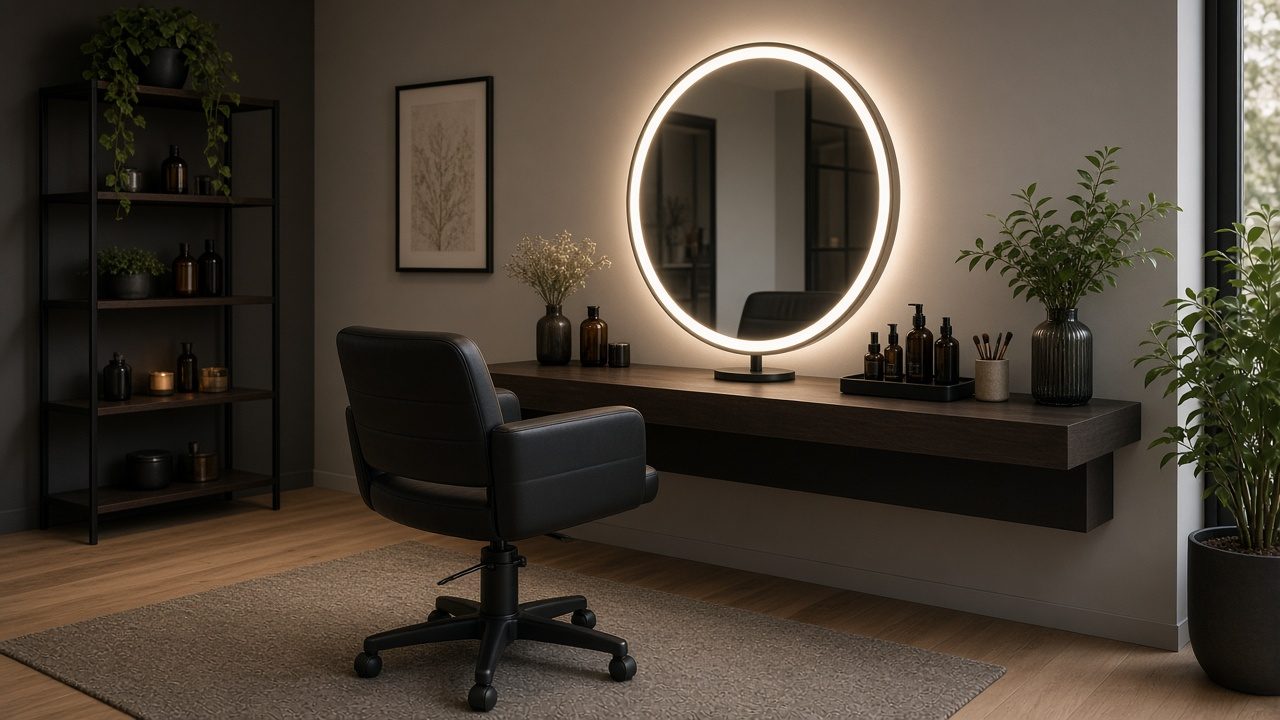
The most accessible pathway to independent business ownership with minimal cash is renting a chair inside an established beauty salon. Unlike opening a standalone commercial storefront—which requires heavy construction build-out capital, specialized plumbing permits, and long-term commercial leases—a chair rental requires only a modest security deposit and your initial week of station rent.
Booth rental allows beauty professionals to transition into self-employment while operating within a fully functional commercial facility. The host salon owner provides the physical space, styling station mirrors, hydraulic styling chairs, shampoo wash basins, waiting reception areas, and public restroom facilities. Stylists interested in chair leasing can review our detailed analysis of salon booth rental operations to understand standard lease terms and weekly fee expectations.
By operating as an independent contractor within an existing establishment, you immediately retain one hundred percent of your service revenues and retail product profits. Reinvesting this cash flow into a dedicated commercial savings account builds the necessary capital reserve required to lease a private studio suite in the future.
Transitioning Into Turnkey Private Salon Suites
Once you accumulate modest working capital through chair rental, leasing a turnkey private salon suite represents the next logical step toward full independence. Purpose-built suite collectives eliminate the need for expensive mechanical construction by providing individual micro-studios pre-plumbed with shampoo bowls, cabinetry, and styling equipment.
Many suite facility operators offer introductory move-in promotions, such as two to four weeks of free rent or reduced initial security deposits for licensed cosmetologists with established client followings. Taking advantage of these commercial incentives allows stylists to open their private doors with minimal upfront cash out of pocket.
Negotiating Tenant Improvements and Lease Incentives

When seeking a private studio or commercial storefront without substantial capital reserves, negotiating lease terms with landlords becomes your primary financial tool. Commercial property owners often have vacant suites that generate zero monthly revenue, creating strong incentive for them to offer concessions to qualified beauty professionals who bring immediate commercial activity.
Request tenant improvement allowances or delayed rent commencement dates when negotiating commercial lease agreements. A delayed commencement clause allows you to occupy the physical space and service clients for thirty to sixty days before your first rent payment becomes due. This grace period generates immediate cash flow from appointments to fund subsequent weekly lease obligations.
Understanding legal business entity structures through the SBA Business Legal Structure Guide enables you to form a formal corporate entity before executing commercial agreements. Structuring your enterprise as a limited liability company establishes credibility during landlord negotiations while protecting your personal assets from commercial lease liabilities.
Requesting Landlord Equipment Inclusions
Negotiate to have essential styling equipment included directly in your lease agreement. In salon suite complexes, verify that the landlord supplies the shampoo basin, styling chair, and custom storage cabinets as standard fixtures. Having the property owner supply these major items eliminates thousands of dollars in upfront capital expenditures.
Carefully review our step-by-step opening a salon suite checklist to ensure all licensing, insurance certificates, and utility transfer requirements are completed without incurring costly administrative penalties or lease activation delays.
Acquiring Styling Equipment on Flexible Payment Terms
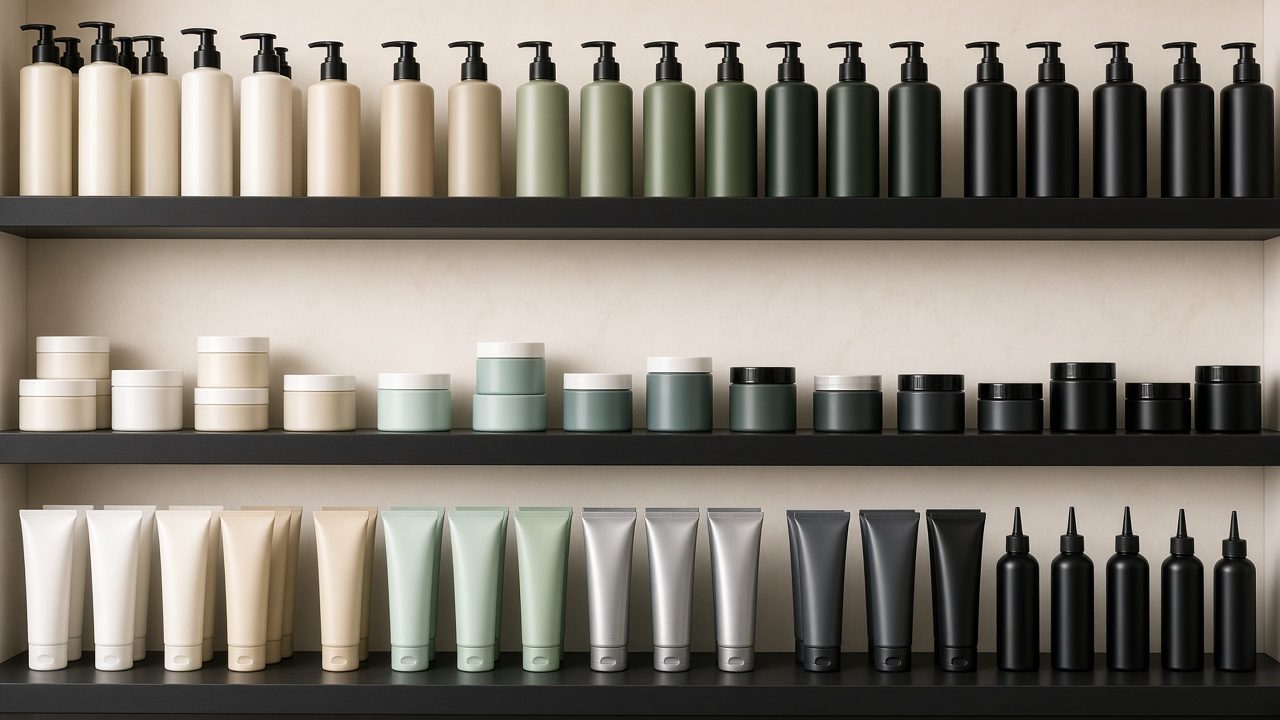
Purchasing professional styling tools, backbar chemical lines, and retail inventory can strain limited startup funds. However, ambitious cosmetologists can acquire necessary operating supplies without large lump-sum cash outlays by utilizing commercial vendor credit and manufacturer promotions.
Major beauty supply distributors offer introductory salon opening packages that bundle professional color lines, developers, bowls, foils, and styling products with flexible financing terms. Many manufacturers provide ninety-day deferred payment arrangements or zero-percent financing promotions for newly licensed salon business accounts, allowing you to pay for supplies from client service earnings.
Acquiring quality pre-owned styling furniture from salons that are upgrading or closing is another practical bootstrapping method. Commercial salon styling chairs and mobile tool carts can often be purchased secondhand at a fraction of their retail price, preserving your limited cash for essential chemical products and licensing fees.
Utilizing Existing Personal Tools and Shears
During your initial launch phase, rely on the professional shears, blow dryers, curling irons, and sectioning clips you already own from your previous salon employment. Avoid the temptation to purchase expensive luxury styling tools or designer accessories until your studio generates steady, predictable monthly profits.
Keep your initial chemical inventory lean by purchasing only the specific color tubes and developers needed for your scheduled appointments. Operating a just-in-time inventory system prevents capital from sitting idle on retail dispensary shelves during your first critical months of business operation.
Preselling Service Packages to Generate Startup Capital
One of the most effective ways to generate immediate startup cash without borrowing money is preselling service packages and annual beauty memberships to your loyal existing clientele. Clients who value your styling artistry and personal rapport are often eager to support your transition to independent ownership.
Offer exclusive founding member packages that bundle several months of haircutting, glossing treatments, and styling services at a modest discount in exchange for upfront payment. Preselling ten founding packages at three hundred dollars each generates three thousand dollars in immediate, debt-free capital to cover your initial studio lease deposit and backbar chemical orders.
Offer digital gift cards through social media announcements and text campaigns announcing your upcoming private studio launch. Generating upfront gift card revenue provides non-dilutive working capital that carries your business through opening week without relying on credit cards or high-interest commercial loans.
Controlling Operating Overhead During Initial Launch
Maintaining financial discipline after opening your doors is vital when operating on a lean capital foundation. Every dollar saved on unnecessary operational overhead directly strengthens your business cash reserves and accelerates your journey toward financial stability.
Minimize recurring monthly subscriptions during your first six months of operation. Utilize affordable or free-tier appointment booking applications that offer basic online scheduling and automated SMS reminders without expensive enterprise software fees. Manage your own studio cleaning and towel laundry rather than contracting costly commercial linen services.
Reinvest every dollar of net profit back into your business savings account until you accumulate an emergency operating reserve equal to three months of fixed studio expenses. Establishing this cash cushion protects your enterprise against seasonal appointment slowdowns, ensuring your salon remains open and profitable for years to come.
Frequently Asked Questions
Can you realistically open an independent salon without personal capital?
Yes, beauty professionals can launch an independent practice by starting with low-capital booth rentals, negotiating landlord rent abatement concessions, utilizing vendor equipment financing, and preselling service packages to loyal existing clients. Eliminating upfront construction build-outs drastically lowers barrier costs.
What low-cost models allow stylists to work independently?
Renting a single chair in an established salon or leasing a turnkey private salon suite represent the most cost-effective routes to self-employment. Both models provide existing plumbing, styling chairs, and commercial amenities, eliminating the heavy capital required to construct a standalone storefront salon.
How can stylists negotiate initial rent concessions from landlords?
Stylists negotiate rent concessions by requesting a tenant improvement allowance or a delayed rent commencement date of thirty to sixty days. Highlighting an established client following and presenting a professional business plan demonstrates commercial viability to landlords eager to fill vacant spaces.
What is the most effective way to fund initial salon retail inventory?
Stylists fund initial inventory by purchasing only the specific color shades needed for confirmed upcoming appointments or leveraging beauty supply distributor opening packages that feature ninety-day deferred payment terms. Reinvesting early retail sales margins funds subsequent wholesale inventory expansion.