A salon booth rental is an independent working arrangement where a licensed cosmetologist leases an individual styling chair inside an existing salon rather than working as an employee for a commission split. Under this arrangement, the stylist operates as an autonomous business entity, setting their own appointment schedule, managing personal service pricing, and collecting customer payments directly. By moving away from traditional commission models, booth renters gain substantial creative and financial independence while operating within an established commercial storefront.
While leasing an individual station provides remarkable freedom, it transforms a stylist from a salon worker into a self-employed business owner. Independent chair renters must manage inventory procurement, business liability coverage, quarterly estimated taxes, and digital payment processing. Integrating your booth lease projections into a structured salon suite business plan helps ensure that your weekly revenue comfortably exceeds your fixed operating expenses and product costs.
Selecting an appropriate business entity classification is a fundamental initial step when establishing chair rental operations. Resources from the Small Business Administration Guide to Business Structures explain how establishing a limited liability company or sole proprietorship separates personal assets from commercial obligations. Taking proactive legal and financial measures from the outset protects your personal wealth as your styling client base expands.
Understanding the Booth Rental Business Model

In a traditional commission salon, the business owner retains between forty and sixty percent of every service ticket in exchange for providing the workspace, scheduling software, backbar supplies, and reception staff. In contrast, the booth rental model replaces variable commission percentages with a fixed weekly or monthly chair lease fee. The stylist keeps one hundred percent of their service earnings and retail markups after satisfying their lease obligation.
This financial dynamic provides powerful incentives for motivated, experienced stylists with established clientele. If your weekly service sales total fifteen hundred dollars and your chair lease is two hundred fifty dollars, your gross margin after rent is twelve hundred fifty dollars. Under a fifty percent commission arrangement, that same sales volume would yield only seven hundred fifty dollars, highlighting the significant financial advantage of station leasing for productive stylists.
However, the booth rental structure also transfers operational risks entirely onto the stylist. Your lease payment remains due every single week, regardless of whether you have a fully booked book of business or experience client cancellations. Rented stations do not offer paid vacation time, health insurance subsidies, or guaranteed hourly wages, requiring practitioners to maintain disciplined savings habits and personal financial reserves.
Independent Contractor Status Versus Salon Employment
Legally and operationally, a booth renter is classified as an independent contractor rather than an employee. Under federal tax law, salon owners cannot dictate your working hours, require mandatory attendance at staff meetings, impose employee dress codes, or control the specific techniques you use to style hair. You retain sole authority over your service menu, pricing tiers, accepted payment methods, and appointment calendar.
Furthermore, independent operators must handle their own client communications and appointment workflows. Rather than relying on a shared front desk receptionist who may prioritize salon-employed stylists, renters should invest in dedicated online booking platforms. Modern booking applications automate confirmations, send reminder text messages, and collect non-refundable deposits, significantly reducing client no-show rates.
Analyzing Average Booth Rental Cost and Operating Overhead

Understanding regional pricing trends for booth rental cost parameters is crucial when evaluating commercial properties. Across the United States, average chair rental fees typically range from one hundred fifty to four hundred dollars per week, depending heavily on the salon’s geographic location, neighborhood demographics, foot traffic visibility, and facility luxury level. High-density metropolitan downtown salons may charge upwards of five hundred dollars weekly, while suburban salons offer more moderate lease tiers.
When comparing rental rates across multiple salons, always investigate what amenities and utilities are included in the base fee. An all-inclusive lease that incorporates water, electricity, high-speed Wi-Fi, towel laundering, backbar shampoo bowls, and trash removal often represents a far better value than a cheaper base rent that bills separately for utilities. Hidden facility fees can quickly inflate your actual weekly overhead.
In addition to rent, stylists must calculate recurring expenditures for consumable styling supplies. Unlike employees who utilize salon-provided inventory, renters purchase their own shears, blow dryers, curling irons, color lines, developers, foils, and capes. Independent stylists typically budget eight to twelve percent of their gross service revenue for backbar color replenishment and professional tool maintenance.
Fixed Weekly Rent and Backbar Supply Management
To ensure long-term solvency, calculate your precise weekly break-even requirement. Sum your weekly chair rent, professional liability insurance premiums, booking software subscriptions, merchant processing fees, and projected chemical product allocations. Divide this total expense figure by your average service ticket price to determine the exact number of clients required each week to cover your operational overhead.
For example, if your combined weekly operating expenses total four hundred dollars and your average client service ticket is eighty dollars, you must complete five client services weekly before generating personal profit. Knowing your break-even threshold keeps your business focused and financially disciplined while building your weekly schedule.
Commercial Agreements and Booth Rental Salon Rules
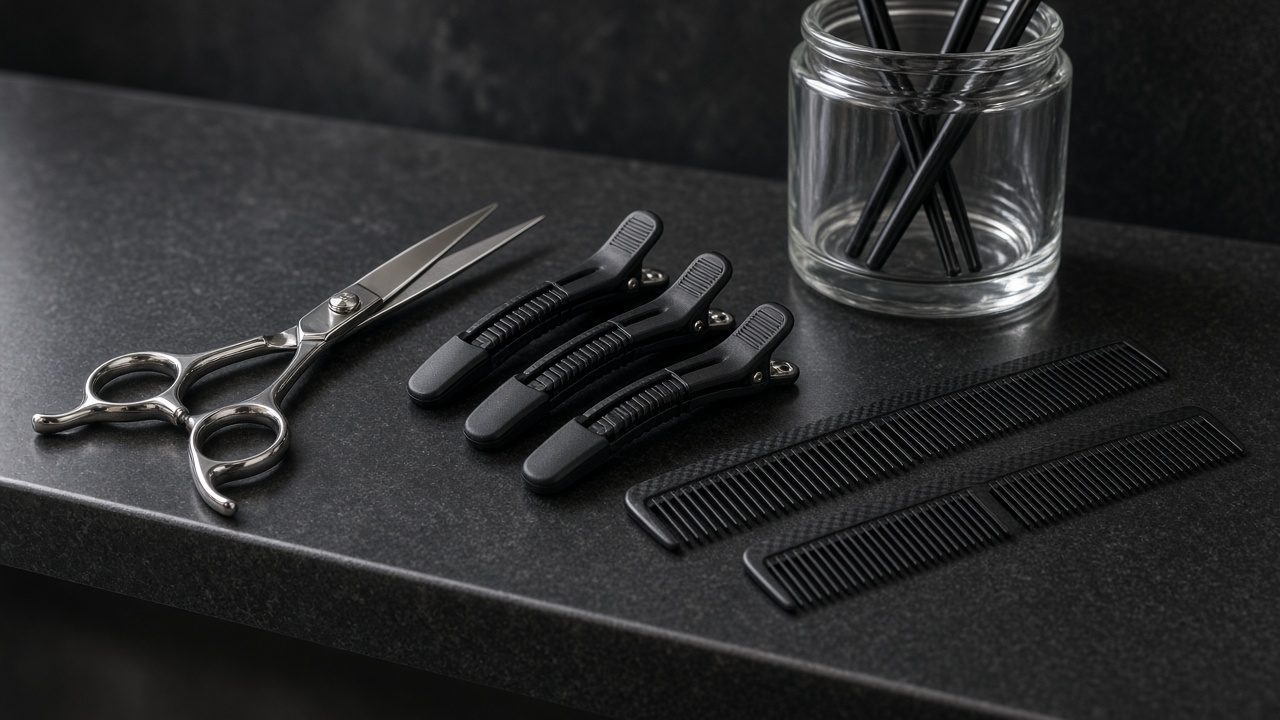
Signing a commercial chair lease establishes a formal legal relationship with the property owner. Carefully reviewing all written terms and specific booth rental salon rules prevents unexpected disputes and protects your professional reputation. Never agree to a verbal chair rental arrangement; a detailed written contract defining tenant rights, shared space responsibilities, and termination conditions is mandatory.
The lease agreement should clearly define the duration of your tenancy and the procedures for rent payment. Many salons offer month-to-month leases, which provide flexibility if the salon environment proves unsuitable, while others require six-month or twelve-month commitments in exchange for locked-in weekly rates. Ensure the contract specifies acceptable payment grace periods and outlines penalties for late payments.
Examine facility access rules closely. Can you access your station outside of normal salon operating hours to accommodate early morning wedding parties or late evening corporate clients? Having independent key or security code access to the salon ensures you can tailor your working hours around your clients’ busy schedules without depending on the owner to unlock the front door.
Client Scheduling and Retail Commission Policies
Retail sales policies represent another critical contractual clause. Some salon owners allow chair renters to display and sell their own curated retail product lines, keeping one hundred percent of the retail markup profits. Other salon owners insist that renters recommend the salon’s retail stock, offering a twenty to thirty percent retail commission in return.
Additionally, verify salon policies regarding guest parking, breakroom amenities, and towel service. Confirming that ample free parking exists for your arriving clients eliminates friction and ensures a welcoming appointment experience. Stylists seeking greater privacy and exclusive branding can explore private studio suites to compare private room formats with open-floor arrangements.
Tax Obligations and Financial Recordkeeping for Renters
Operating as an independent chair renter means you are legally self-employed and responsible for your own tax reporting. Unlike W-2 employees whose payroll taxes are withheld automatically, renters receive 1099 forms or process credit card payments through their own merchant accounts. Operating a successful salon booth rental requires balancing creative artistry with disciplined financial recordkeeping and proactive client communication.
Independent workers must pay self-employment tax, which covers Social Security and Medicare obligations, in addition to regular federal and state income taxes. Tax guidelines published on the IRS Self-Employed Individuals Tax Center advise independent professionals to set aside twenty-five to thirty percent of net earnings into a dedicated tax savings account to cover estimated quarterly payments.
Failing to make quarterly estimated tax payments can result in steep penalties and unexpected year-end tax bills. Establish the habit of transferring a set percentage of every client transaction into your tax reserve account weekly. Maintaining this discipline ensures you always possess the necessary funds when quarterly vouchers come due.
Quarterly Estimated Payments and Deductible Business Expenses
Fortunately, self-employed stylists can offset gross revenues with legitimate commercial write-offs. Tracking deductible business expenses significantly lowers your taxable net income at year-end. Maintain receipts and digital records for all station rental payments, continuing education classes, styling tools, laundry supplies, backbar chemicals, booking software fees, and marketing advertisements.
Keeping personal and business expenses strictly separated is essential for claiming legitimate write-offs and withstanding tax audits. Reviewing comprehensive commercial lease negotiation guides offers additional clarity regarding deductible rental overhead and facility expenses.
Evaluating Salon Culture and Location Quality
The physical location and internal social dynamic of a host salon play a massive role in your day-to-day satisfaction and business growth. Before signing a lease, visit the salon multiple times at different hours of the day to observe the environment in action. Notice the cleanliness of the styling stations, the friendliness of the staff, and the overall volume level of music and conversation.
Assess whether the salon’s existing brand image aligns with your target demographic. If your specialty is high-end precision cutting and luxury blonding, placing your business inside a chic, well-maintained boutique salon reinforces your premium pricing and justifies higher service rates.
Evaluate the quality of shared facilities, particularly the shampoo wash area and laundry equipment. Clean, uncluttered shampoo areas reflect high professional standards and enhance the relaxing sensory experience of your appointments. Combining a prime physical location with a collaborative team culture creates the ideal foundation for a flourishing independent styling business.
Frequently Asked Questions
What is the typical weekly booth rental cost for stylists?
Weekly chair lease rates generally range between one hundred fifty and four hundred dollars per week, depending on location, local market wealth, and building luxury. High-end metropolitan salons may charge more, while suburban salons offer more affordable rental tiers.
What common booth rental salon rules must stylists follow?
Common salon rules govern operating hours, station cleanliness, shared shampoo bowl sanitization, noise levels, and retail product display permissions. Lease contracts should clearly define these guidelines while respecting the stylist’s legal independent contractor autonomy.
How does chair leasing differ from private studio rentals?
Chair leasing involves renting a styling station on an open communal floor with shared amenities and visible foot traffic. Private studio rentals provide an enclosed, dedicated room offering complete acoustic privacy, exclusive decor, and independent climate control at a higher rental rate.
What tax obligations apply to independent salon chair renters?
Independent chair renters are self-employed and must pay federal self-employment tax, state income tax, and make quarterly estimated tax payments. Renters can deduct legitimate business overhead, including station rent, chemical inventory, tool purchases, and professional insurance.