Implementing a firm hair stylist cancellation policy protects your billable working hours, eliminates revenue loss from unexpected empty appointment slots, and establishes clear professional expectations with your clients. By securing card-on-file payment authorizations and communicating cancellation guidelines during booking, independent beauty operators can maintain predictable weekly earnings. A structured cancellation agreement sets healthy professional boundaries while elevating the respect clients have for your specialized time.
For independent stylists operating in private suites or rental booths, time literally represents money. When a client cancels with thirty minutes of notice or fails to show up entirely, that billable block cannot easily be filled, resulting in pure income loss while fixed facility expenses continue to accumulate. Developing a comprehensive salon suite business plan allows stylists to implement financial protection protocols that safeguard their weekly operational cash flow.
Financial management principles published by the Small Business Administration Guide to Managing Finances highlight that setting clear contract terms and managing client accounts receivables are fundamental for small business sustainability. Protecting your appointment schedule with automated deposits ensures your enterprise remains solvent.
Establishing Clear Cancellation Windows and Fee Tiers
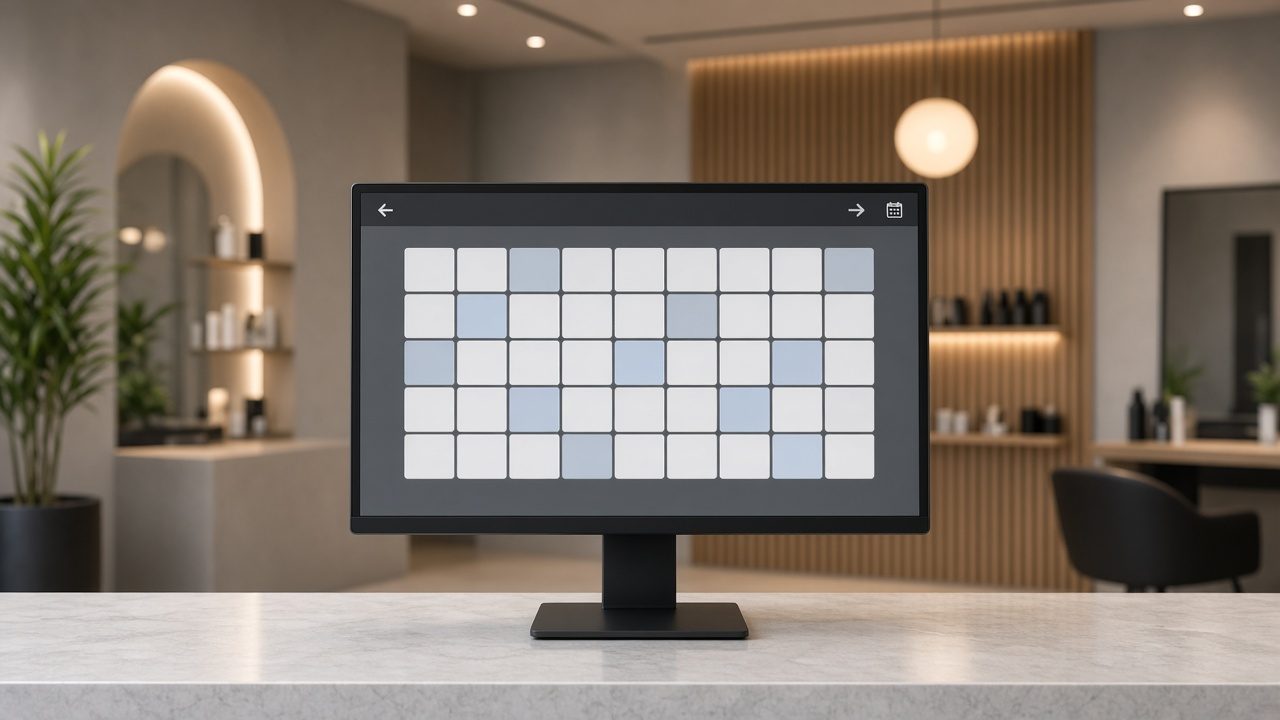
An effective cancellation framework begins with establishing reasonable advance notice windows. In the beauty and personal care industry, standard cancellation policies require clients to provide between twenty-four and forty-eight hours of advance notice to cancel or reschedule an appointment without incurring a fee.
For standard haircutting and blowout appointments lasting under an hour, a twenty-four-hour notice window is generally appropriate. However, for extensive chemical treatments—such as full balayage, color corrections, or hair extensions that require three to five hours of dedicated studio time—a forty-eight-hour cancellation window is strongly recommended. Filling a multi-hour appointment block on short notice is exceptionally difficult in a private suite setting.
Establish progressive fee tiers based on how much notice the client provides. Standard industry policy tiers include charging fifty percent of the scheduled service ticket for cancellations made within twenty-four hours of the appointment, and charging one hundred percent of the service fee for complete no-shows where the client fails to communicate entirely.
Balancing Fee Structures for Client Retention
While cancellation fees must be substantial enough to deter casual missed appointments, they should remain fair and clearly explained. Charging an excessive fee for a client who provides ample twenty-four-hour notice can cause unnecessary friction and permanently damage client goodwill. Ensure your fee tiers reflect the real economic impact of the cancellation.
Stylists operating private rooms can review our guide to commercial lease overhead to calculate the exact cost of an empty chair hour. When clients realize that late cancellations directly threaten your ability to cover studio lease obligations, they respect your schedule and prioritize their appointments.
Implementing Card-on-File Booking for Hair Stylists

A cancellation policy is only as effective as your technical ability to enforce it. Attempting to collect cancellation fees by sending manual text invoices after a client misses an appointment rarely succeeds and often results in awkward confrontations. The only dependable method to enforce appointment guidelines is integrating a secure card-on-file booking platform.
Modern cloud-based salon booking software allows independent stylists to require credit card pre-authorization before confirming any appointment. When booking online, clients enter their payment card details, which are encrypted and securely stored by an integrated merchant payment processor in full compliance with commercial payment card industry standards.
When setting up your merchant processing account through federal business tax registrations outlined in the IRS Starting a Business Tax Guide, ensure your payment processor supports automated card-on-file tokenization. This technology allows you to charge authorized cancellation fees seamlessly if a client violates agreed-upon booking terms.
Requiring Upfront Deposits for Specialty Services
For high-ticket chemical and extension appointments, consider requiring a non-refundable upfront deposit of fifty to one hundred dollars at the time of booking. The deposit is applied directly toward the client’s final service bill upon completion of the appointment, but is forfeited if the appointment is cancelled without adequate notice.
Upfront deposits secure genuine commitment from clients and eliminate casual booking hoarding. When clients have a direct financial stake in reserving your time, late cancellations and missed appointments drop dramatically across your studio calendar.
Enforcing Policy Rules Fairly While Handling Emergencies
Consistent enforcement is the backbone of any operational policy, yet independent beauty professionals must balance firm boundaries with empathy and sound business judgment. Genuine emergencies—such as severe medical illness, family crises, or dangerous weather conditions—warrant reasonable flexibility.
Establish a one-time emergency forgiveness rule within your client management procedures. If a loyal, consistent client who has never missed an appointment encounters a genuine personal crisis, waive the cancellation fee with grace and understanding. Extending empathy during difficult personal moments cements long-term client loyalty and deepens personal trust.
However, when dealing with chronic late cancellers or new clients who fail to show up for their initial appointment, enforce your policy without hesitation. Stylists reviewing our overview of private salon suite management know that operating an independent studio requires treating your time with uncompromising professionalism.
Documenting Exceptions in Client Profiles
Utilize client profile notes in your booking software to record whenever a cancellation fee is charged or waived. Keeping detailed notes ensures you do not inadvertently grant multiple fee waivers to the same client across consecutive appointments.
If a client routinely cancels or reschedules appointments at the last minute despite multiple policy reminders, make the professional decision to release them from your roster. Politely suggest that your appointment-only schedule may not suit their scheduling flexibility, freeing that valuable recurring chair time for dependable clients.
Communicating Stylist Terms Across Digital and Studio Touchpoints
Clients cannot be expected to respect policies they have never seen. To ensure legal compliance and avoid customer disputes, your cancellation and no-show guidelines must be displayed prominently across every digital and physical touchpoint in your business.
Publish your complete booking and cancellation terms on your online scheduling portal, requiring clients to check an agreement box acknowledging the terms before completing their appointment reservation. Embed clear policy language on your studio website, social media booking links, and automated email confirmations.
Display an elegant, framed policy notice on your private studio styling station counter. A clean visual display reinforces that your private salon operates under structured commercial standards, eliminating misunderstandings and establishing professional clarity.
Automated Confirmation Reminders to Prevent No-Shows
The vast majority of missed salon appointments are caused by honest forgetfulness rather than intentional malice. Implementing automated digital confirmation reminders is the single most effective proactive measure to eliminate accidental no-shows before they occur.
Configure your client management software to send automated SMS text and email reminders at strategic intervals: forty-eight hours before the appointment, and again twenty-four hours prior. The forty-eight-hour reminder gives clients ample time to reschedule or cancel without incurring late fees, while the twenty-four-hour notification provides driving directions and studio entry codes.
Require clients to reply with a simple confirmation prompt, such as texting C to confirm their reservation. Monitoring confirmed appointments gives you complete peace of mind that your upcoming working day is fully booked with committed, punctual clients.
Frequently Asked Questions
What is a reasonable cancellation window for hair appointments?
A twenty-four-hour advance notice window is standard for haircutting and styling appointments under one hour. For complex multi-hour chemical services such as balayage, color corrections, or extensions, a forty-eight-hour cancellation window is recommended to allow adequate time to fill the vacated schedule.
How much should a stylist charge for late cancellations?
Standard industry practice involves charging fifty percent of the scheduled service ticket for cancellations made within the late notice window, and charging one hundred percent for complete no-shows. These fee tiers compensate the stylist for lost billable chair time while deterring casual missed appointments.
Is it legal for stylists to keep credit card deposits for missed appointments?
Yes, retaining deposits or charging cancellation fees is completely legal when clients explicitly agree to the written terms during the booking process. Clear digital agreements, card-on-file authorizations, and transparent confirmation receipts protect the business against credit card chargebacks.
How can stylists enforce cancellation fees without losing loyal clients?
Enforce policies with professional warmth, clear communication, and occasional emergency grace. Offering a one-time fee waiver for established clients facing genuine medical emergencies maintains personal goodwill while establishing that subsequent late cancellations will be billed according to standard policy.