Securing comprehensive hair stylist business insurance protects independent beauty professionals from catastrophic financial liability resulting from client slip and fall accidents, chemical service injuries, and equipment property damage. Whether leasing a private studio suite or renting a styling booth, operating without dedicated commercial insurance leaves personal savings and business assets completely exposed to expensive lawsuits and property losses. Investing in tailored coverage establishes a dependable safety net that allows cosmetologists to deliver creative treatments with complete peace of mind.
Many stylists transitioning from traditional salons mistakenly believe that their salon landlord or suite facility policy protects their personal business operations. In reality, commercial landlord policies cover only common building hallways, structural walls, and exterior property, leaving individual tenants entirely liable for client injuries occurring inside their private styling rooms. Designing a sustainable salon suite business plan requires incorporating insurance premiums directly into monthly operational overhead calculations.
Official guidance on risk management from the SBA Guide to Getting Business Insurance highlights that securing appropriate liability policies is a fundamental prerequisite for operating any commercial entity. Small enterprise owners must identify their specific operational hazards, compare policy deductibles, and secure certificates of insurance that satisfy commercial lease covenants.
General Liability Protection for Slip and Fall Accidents
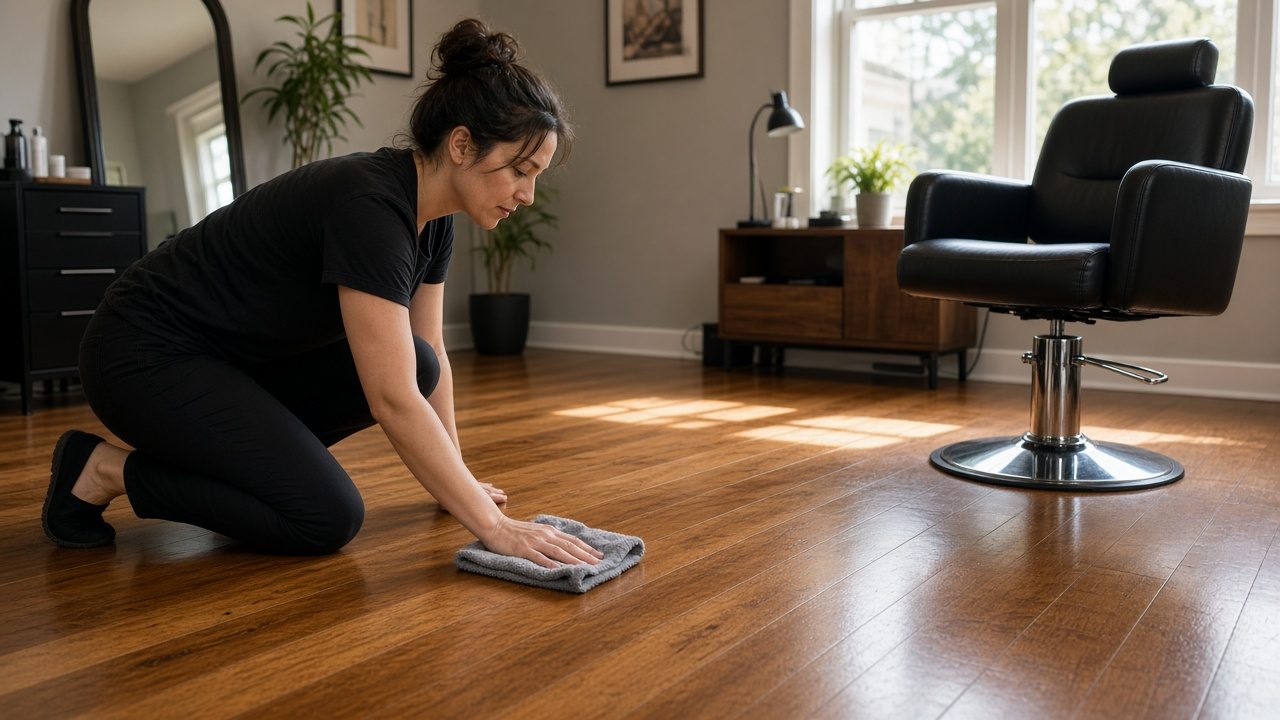
General liability insurance represents the foundational policy that every independent cosmetologist must hold before opening their doors to clients. This coverage shields your business from third-party claims alleging bodily injury or physical property damage occurring on your operational premises. In a bustling salon environment where water, hair clippings, and styling liquids frequently touch the floor, premises liability represents an everyday exposure.
If a client slips on a slick patch of conditioner near your shampoo bowl or trips over a blow dryer power cord and suffers an injury, general liability insurance covers their immediate medical bills and rehabilitation costs. Without this commercial coverage, an independent stylist would remain personally responsible for tens of thousands of dollars in medical payments and potential lost wage compensations.
Furthermore, general liability covers incidental property damage to client possessions. If a bottle of dark developer spills across a client’s designer leather handbag or hot styling irons singe a luxury winter coat draped over your studio chair, your policy reimburses the client for the replacement value, preserving your professional relationship and preventing small claims disputes.
Covering Third-Party Bodily Injuries
Premises injury claims extend beyond simple slip and fall incidents. If a client strikes their head on an overhead dryer hood or suffers an electrical burn from a faulty appliance outlet, bodily injury coverage handles the legal defense costs and settlement demands.
Commercial general liability policies provide dedicated legal counsel to defend your business against frivolous or exaggerated injury claims, covering attorney fees, court filing expenses, and expert witness retainers.
Property Damage Protection in Leased Studios
Operating inside a commercial studio suite or rental booth requires adhering to strict commercial lease covenants. Most commercial suite landlords require tenants to name the building management company as an additional insured on their general liability policy with minimum limits of one million dollars per occurrence.
Stylists reviewing our comprehensive renting a salon suite guide will note that landlords mandate this protection to insulate the master facility from tenant negligence. If an overflowing shampoo basin damages drywall or electrical wiring in an adjacent suite, tenant legal liability coverage repairs the building damage without threatening your lease agreement.
Professional Malpractice Coverage for Chemical Hair Treatments
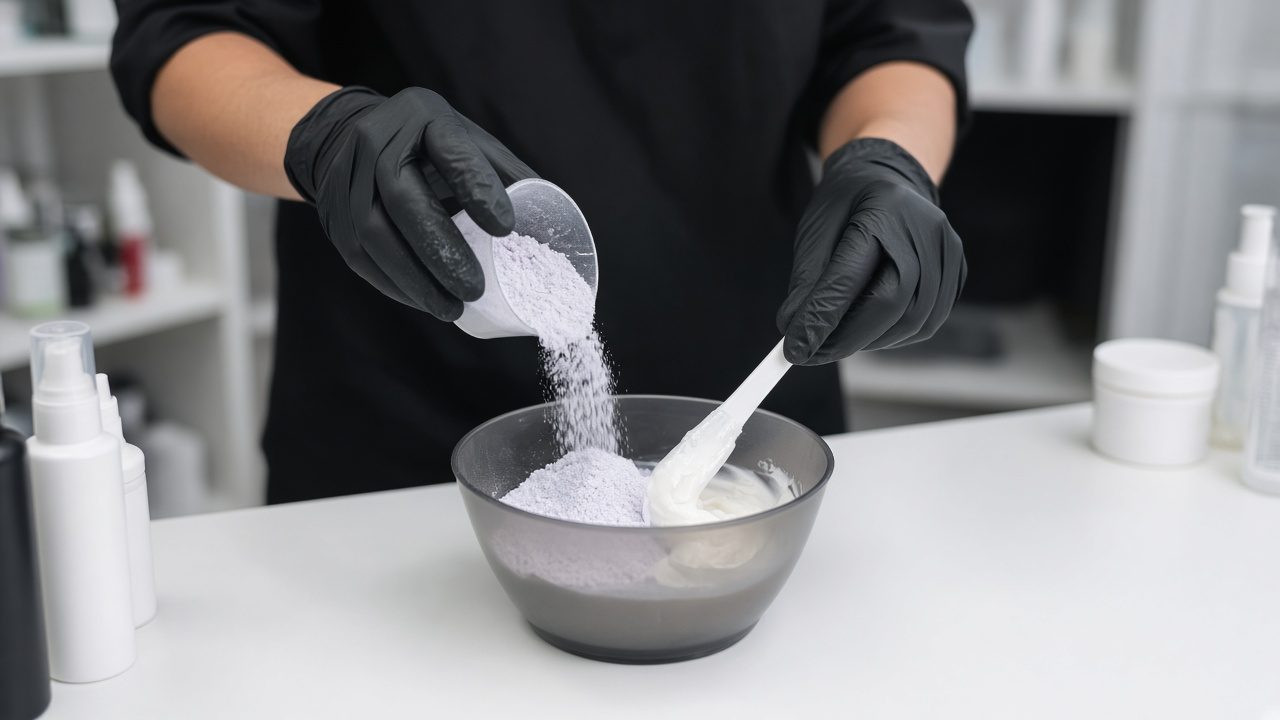
While general liability addresses physical accidents like slips and trips, professional liability—commonly termed malpractice or errors and omissions insurance—protects against claims arising directly from cosmetology services. Because hair stylists apply intense chemical formulas, heat styling tools, and sharp cutting blades to clients daily, professional liability is an indispensable component of commercial protection.
Chemical hair coloring, lightening bleaches, keratin smoothing treatments, and permanent waving solutions carry inherent risks of adverse chemical reactions. Even when an experienced colorist follows manufacturer guidelines meticulously, a client may experience sudden chemical scalp burns, severe allergic contact dermatitis, or extensive hair breakage due to undisclosed previous chemical treatments or home dyes.
Workplace chemical safety standards documented by the OSHA Hair Salons Safety Guide emphasize that handling potent cosmetic chemicals requires strict adherence to ventilation, patch testing, and protective protocols. When an unexpected chemical reaction occurs despite diligent application, professional malpractice insurance covers specialized medical dermatology treatments and legal settlements.
Handling Chemical Scalp Burns and Allergic Reactions
If a chemical application causes blistering scalp burns or hair loss, affected clients frequently seek compensation for medical dermatology treatments and hair restoration. Professional liability coverage responds specifically to these service-related allegations, paying for independent medical evaluations, settlement negotiations, and legal representation.
Having dedicated malpractice coverage prevents service disputes from escalating into personal financial emergencies, preserving your reputation and business solvency.
Protecting Against Accidental Cuts and Thermal Burns
In addition to chemical exposures, daily styling procedures involve sharp shears, texturizing blades, and high-heat ceramic styling irons operating at elevated temperatures. An unexpected client movement during precision trimming can result in minor lacerations requiring immediate medical attention.
Similarly, accidental thermal contact with client ears or forehead can leave uncomfortable burns. Malpractice insurance handles urgent care medical bills and infection treatments without personal financial strain.
Commercial Property Protection for Suite Tools and Equipment
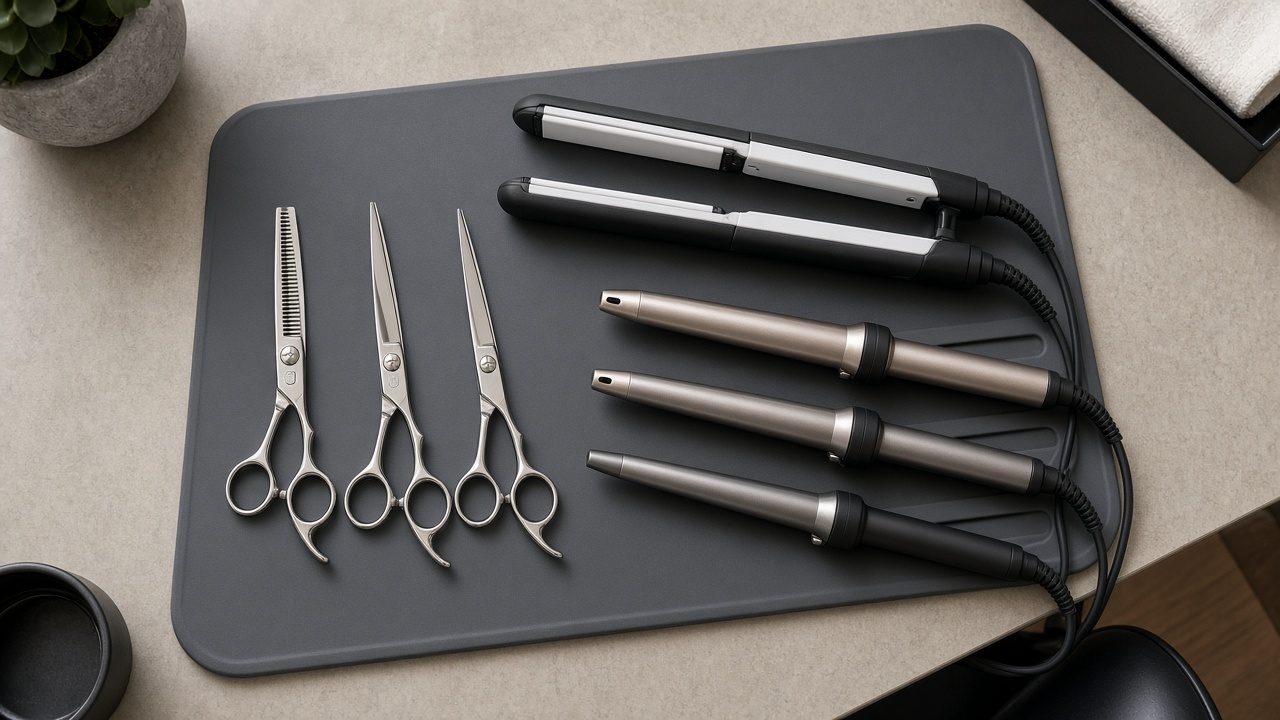
Independent cosmetologists invest substantial capital into assembling professional toolkits, ergonomic styling furniture, and specialized chemical inventories. Commercial property insurance, often structured as inland marine or business personal property coverage, protects these vital physical assets against theft, vandalism, fire, and water damage.
A professional stylist’s personal toolkit routinely exceeds thousands of dollars in value, featuring ergonomic shears costing hundreds of dollars each, commercial ionic blow dryers, and extensive backbar product inventory. If a commercial suite building experiences a break-in or burst pipe, business personal property insurance replaces your equipment at full replacement value.
Stylists exploring our breakdown of salon booth rental guide contracts should note that booth and suite landlords carry zero liability for stolen or damaged tenant tools. Carrying dedicated property coverage ensures you can replace essential styling implements and reopen for business immediately following an unexpected loss.
Insuring High-End Styling Shears and Heat Implements
Standard commercial property policies sometimes limit coverage to equipment physically located inside your registered business address. If you frequently travel to on-location bridal bookings or educational classes, adding an inland marine equipment floater ensures your shears and styling tools remain fully insured wherever you work.
An equipment floater covers accidental breakage, theft, and disappearance while tools are in transit, protecting your styling kit during on-location events.
Business Owner Policies and Commercial Umbrella Additions
Rather than purchasing separate individual policies for general liability, professional malpractice, and commercial property, independent stylists can achieve superior protection and substantial premium savings by investing in a bundled Business Owner Policy, commonly known as a BOP.
A Business Owner Policy packages general liability and commercial property coverage into a single integrated contract underwritten specifically for small enterprise operators. Insurance carriers catering to beauty professionals frequently permit cosmetologists to endorse professional liability directly onto the BOP, creating a comprehensive commercial protection package.
For established stylists operating high-volume studios, adding a commercial umbrella policy provides an extra layer of liability protection. Commercial umbrella insurance sits atop your primary general liability and professional liability limits, extending overall coverage by one to two million dollars to protect against catastrophic lawsuits.
Bundling Policies for Premium Savings
Purchasing individual standalone insurance policies across multiple agencies leads to coverage gaps, administrative confusion, and higher cumulative annual premiums. Bundling your core commercial protections through a specialized beauty industry insurance broker ensures that all policy lines interface seamlessly.
Furthermore, tax regulations published in the IRS Guide on Deducting Business Expenses confirm that commercial insurance premiums paid to protect your business are fully deductible operational expenses on Schedule C. Deducting annual policy costs reduces your taxable net self-employment income, lowering the effective cost of carrying professional coverage.
Annual Policy Premiums and Deductibles for Independent Stylists
Securing robust commercial insurance is surprisingly affordable for independent beauty professionals. Most single-chair studio suite operators and booth renters pay between four hundred and eight hundred dollars annually for a comprehensive commercial package combining general liability, professional malpractice, and personal property coverage.
Standard commercial policies for solo stylists typically offer one million dollars in liability coverage per individual occurrence, backed by a two million dollar aggregate annual limit. Deductibles for property damage and client injury claims generally range from two hundred and fifty to five hundred dollars per incident, keeping out-of-pocket expenses manageable during a claim.
Maintaining a clean claims history, storing chemical products in accordance with safety data sheets, and completing continuing education courses in sanitation and color chemistry help keep annual underwriting premiums at the lowest possible tier.
Factors That Influence Annual Underwriting Costs
Several operational variables influence your annual insurance premiums, including geographical location, annual gross service revenue, and specific services listed on your menu. Basic haircutting and styling carry lower baseline underwriting risk than advanced chemical procedures or invasive aesthetic treatments.
If you expand your service offerings to include permanent makeup or chemical peels, notify your insurance broker immediately to ensure your policy endorsements cover those specialized procedures. Operating outside your registered policy scope can cause an insurer to deny claim coverage during a lawsuit.
Frequently Asked Questions
What insurance does an independent hair stylist need?
Independent hair stylists need general liability insurance to protect against client slip and fall injuries, professional malpractice liability to cover chemical burns and service claims, and commercial property insurance to protect styling tools and equipment. Bundling these three protections into a specialized Business Owner Policy provides comprehensive, cost-effective coverage.
How much does salon liability coverage cost annually?
Most independent stylists operating in private suites or rental booths pay between four hundred and eight hundred dollars annually for one million dollars per occurrence in liability protection. Annual premium rates vary depending on geographic location, gross service revenue, policy deductibles, and whether advanced chemical or aesthetic services are offered.
Does booth rental or suite rent include liability protection?
No, commercial suite landlords and salon owners maintain property insurance that covers only common building infrastructure, exterior walls, and structural elements. Salon facility policies do not protect individual stylists against client injury lawsuits, chemical malpractice claims, or the theft of personal styling equipment located inside a rented booth or suite.
Are high-end styling shears covered under basic liability policies?
No, standard liability policies only cover claims filed by third parties alleging bodily injury or damage to their property, not damage to your own tools. To insure expensive shears, heat appliances, and salon furniture against theft, fire, or accidental damage, stylists must add commercial property insurance or an inland marine equipment floater.