When considering do you tip an independent hair stylist who leases a private studio suite, the standard answer is yes, clients traditionally tip between fifteen and twenty percent of the total service cost for excellent service. While independent booth renters and suite operators set their own service prices, gratuity remains a customary expression of client appreciation that directly rewards personalized attention and artistic skill.
Old-fashioned business etiquette once dictated that clients never tip the owner of a business, on the assumption that business owners capture all enterprise profits. However, modern beauty industry dynamics have rendered that rule obsolete. Independent cosmetologists operating in private suites bear substantial commercial overhead expenses and perform all physical labor themselves. Developing an effective salon suite business plan requires balancing service pricing and gratuity assumptions to establish sustainable studio profit margins.
Stylists setting up studio booking portals should review our guide on how to price hair services to determine whether traditional tipping or modern all-inclusive pricing aligns best with their clientele.
Traditional Salon Etiquette Versus Private Suite Realities
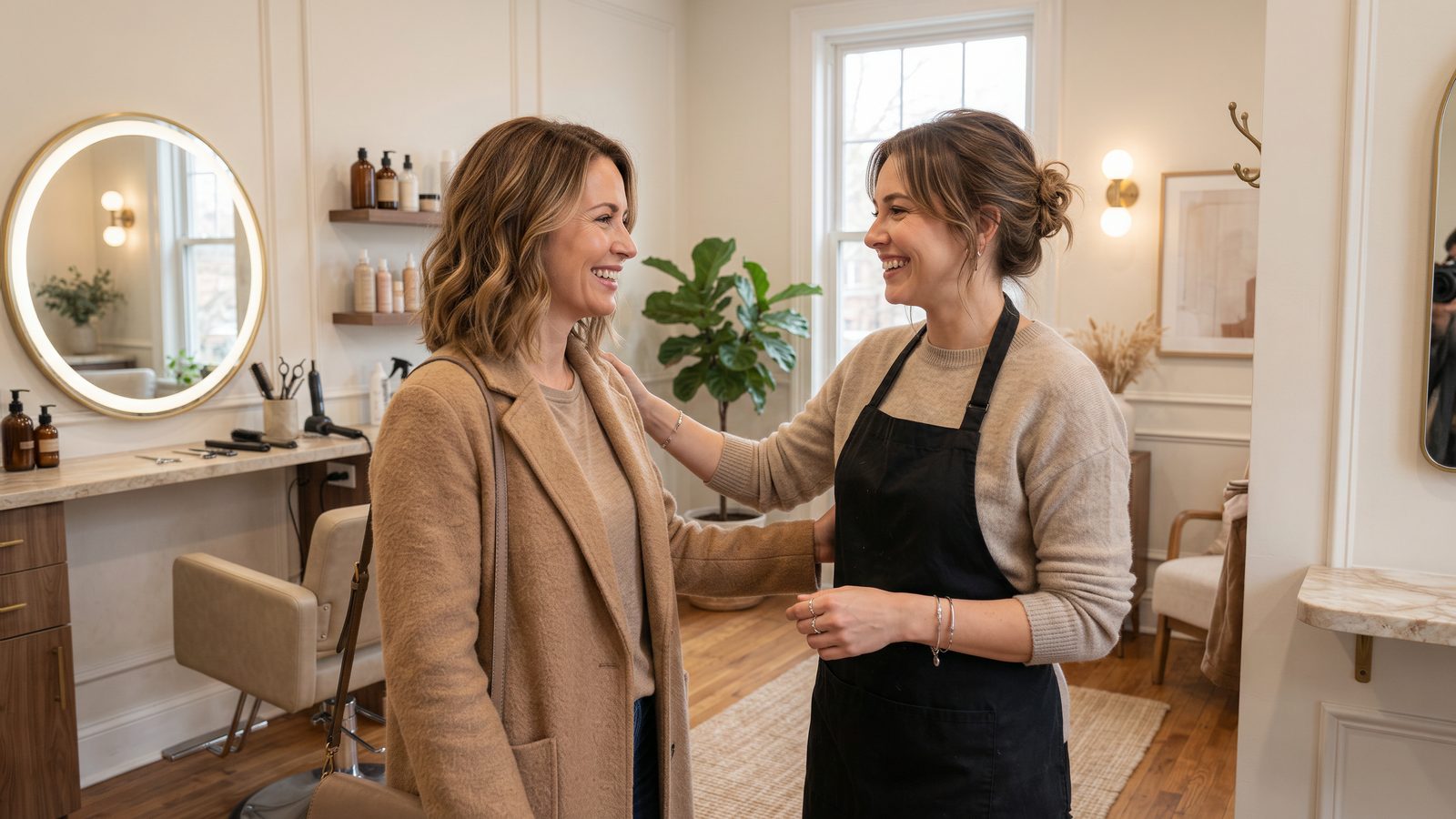
The historical etiquette rule advising against tipping salon owners originated during an era when salon owners sat behind reception desks managing dozens of commission stylists while doing little physical hair work themselves. In that corporate structure, tipping the owner felt redundant because the owner already retained fifty percent of every service ticket generated on the floor.
In contrast, independent salon suite operators are solo artisans managing their own single-chair studios. They formulate every bowl of color, wash every shampoo basin, clean every towel, and stand on their feet for eight to ten hours daily. While they technically own their business entity, their day-to-day work mirrors that of any dedicated beauty professional.
Furthermore, independent operators face significant weekly commercial expenses, including private studio lease rents, commercial liability insurance policies, merchant transaction fees, and wholesale inventory purchases. Tips provide vital supplementary income that helps cushion these ongoing operating expenses.
The Myth That Suite Owners Do Not Accept Tips
A widespread misconception among salon guests is that independent suite owners are offended by tips because they control their menu pricing. In reality, the vast majority of independent stylists warmly appreciate gratuities as direct recognition of their technical artistry and attentive hospitality.
Unless an independent stylist explicitly states on their website or station signage that their salon operates on a strict tip-free or gratuity-included model, guests should assume that standard tipping customs apply.
How Gratuities Help Offset High Commercial Overhead
Running a solo beauty studio requires absorbing all operational costs that were previously paid by a salon employer. Independent stylists pay self-employment tax, purchase their own health insurance, and invest thousands of dollars annually in continuing education classes to master emerging hair trends.
Gratuities represent discretionary income that rewards exceptional customer care, punctuality, and artistic execution, motivating stylists to continuously invest in luxury backbar amenities for their clients.
Standard Gratuity Percentages Across Hair Services
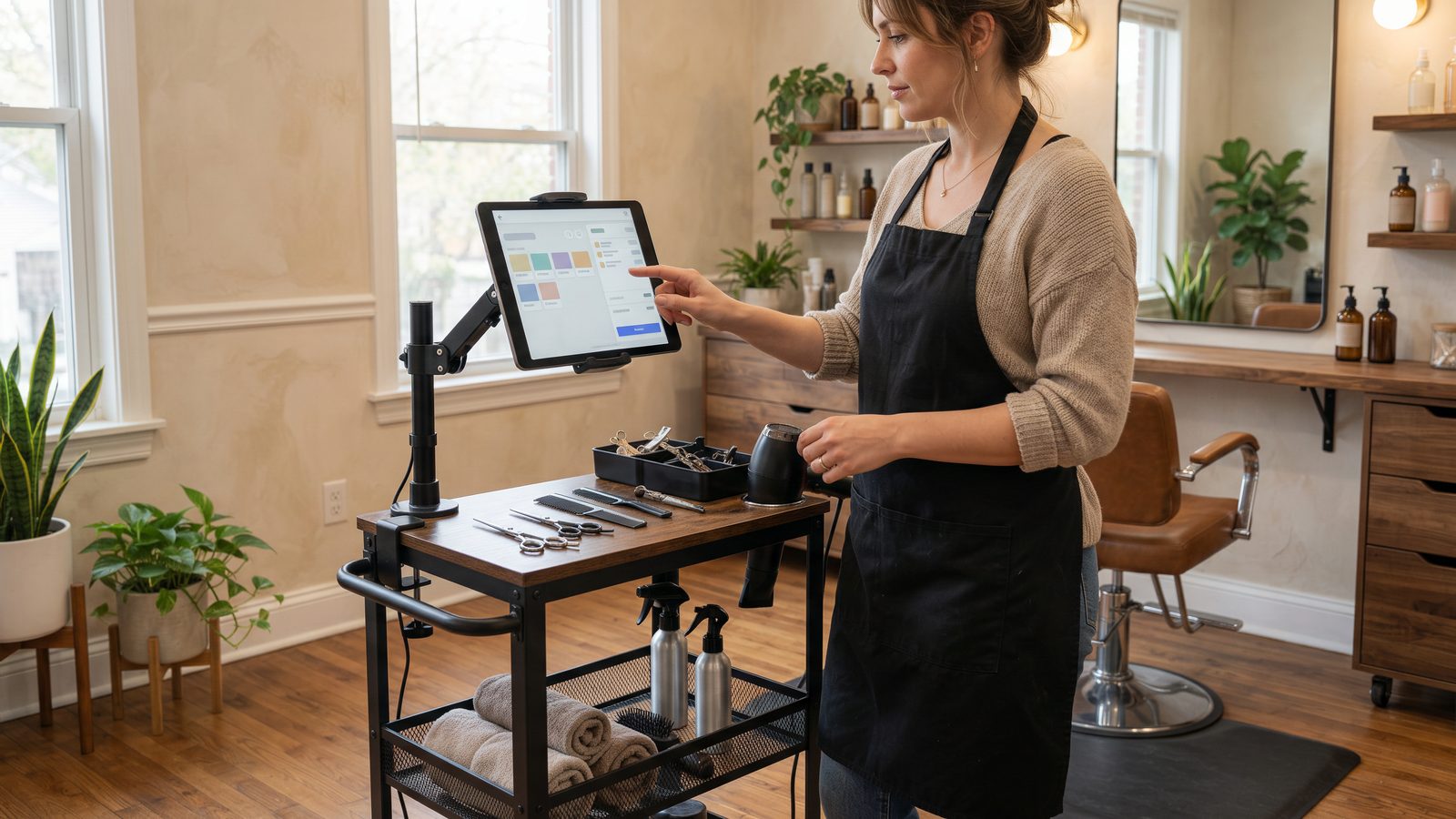
Industry standards for tipping independent cosmetologists mirror traditional salon gratuity norms. A tip of fifteen percent represents solid satisfaction with a standard service, while twenty percent reflects exceptional technical execution, attentive hospitality, and outstanding finished results.
For routine maintenance services, such as men’s precision haircuts, root touch-ups, or weekly blowouts, tipping twenty percent on a sixty-to-one-hundred-dollar ticket is universally standard and easily budgeted by regular clients.
However, when booking complex chemical transformations that span four to six hours and cost four hundred to six hundred dollars, percentage-based tipping can sometimes feel daunting to clients. In these high-ticket scenarios, tipping a flat forty to eighty dollars remains a generous and deeply appreciated gesture.
Tipping on Precision Haircuts and Blowouts
For standard haircutting appointments lasting forty-five to sixty minutes, tipping ten to twenty dollars on a fifty-to-one-hundred-dollar haircut represents an appropriate gratuity. Clients who receive complimentary deep-conditioning washes or hand massages often tip toward the higher end of the range.
If a stylist accommodates a last-minute emergency appointment before a wedding or special event, expressing gratitude through a twenty-five to thirty percent tip acknowledges the inconvenience of adjusting personal schedules.
Gratuity Calculations on High-Ticket Balayage and Color
Extensive lightening sessions, custom balayage hand-painting, and multi-step color corrections demand intense physical focus and dozens of ounces of expensive chemical product. A twenty percent tip on a four-hundred-dollar appointment amounts to eighty dollars.
Clients booking these luxury transformations should factor the anticipated tip directly into their personal beauty budget before arriving at the studio to prevent financial discomfort at checkout.
The Rise of All-Inclusive and Tip-Free Salon Pricing
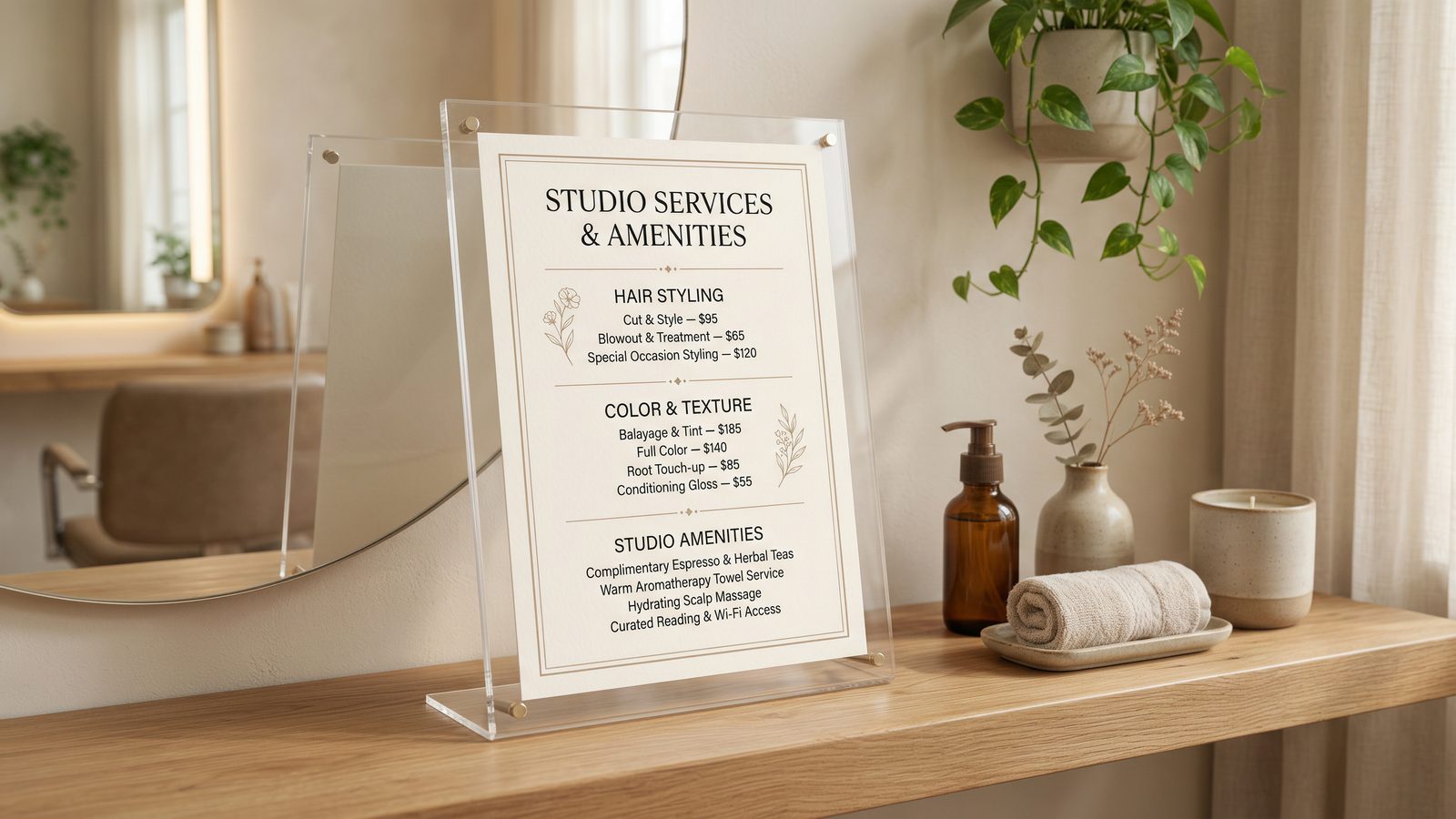
In response to tipping fatigue across various consumer service sectors, a growing cohort of independent salon suite owners has adopted transparent, all-inclusive pricing models. Rather than charging a base service fee and relying on discretionary tips to meet income targets, these innovative stylists charge flat hourly rates that encompass all labor, product bowls, and hospitality.
In a tip-free salon suite, an independent stylist might charge one hundred to one hundred twenty-five dollars per hour flat. A three-hour balayage appointment costs exactly three hundred to three hundred seventy-five dollars, with zero tip screen presented at the payment terminal.
This transparent model eliminates the awkwardness of end-of-service checkout screens and allows clients to relax completely during appointments, knowing their exact financial commitment in advance. Stylists benefit from predictable gross revenues that simplify quarterly tax forecasting and personal budgeting.
Hourly Flat Rates That Eliminate Gratuity Awkwardness
Flat hourly pricing structures reflect modern professionalism, treating hair styling as a specialized skilled trade rather than a low-wage tip-dependent service. Cosmetologists calculate their desired annual income, divide by billable service hours, and establish rates that ensure full profitability without tips.
Stylists adopting tip-free models should also review our recommended hair stylist cancellation policy to ensure their hourly calendar is strictly protected against lost appointment time.
Tax Reporting and Recordkeeping for Gratuity Income
Independent cosmetologists who receive tip income must adhere to strict federal tax reporting requirements. The Internal Revenue Service considers all cash and electronic tips to be fully taxable gross income subject to federal income tax and self-employment tax contributions.
Compliance guidelines published by the IRS Tip Recordkeeping and Reporting Guide require independent service providers to maintain accurate daily tip records and report total gratuities on their annual Schedule C filings. Modern digital point-of-sale systems automatically log credit card tips, creating clean digital audit trails that streamline year-end tax preparations.
Furthermore, general tax rules outlined in the IRS Self-Employed Individuals Tax Center require sole proprietors to include all tip revenues when calculating quarterly estimated tax installments, preventing underpayment penalties at tax time.
IRS Requirements for Reporting Credit Card and Cash Tips
Failing to report cash or digital tips on tax returns exposes an independent cosmetologist to severe penalties, back taxes, and audit scrutiny. Keeping meticulous digital records protects the legitimacy of your independent business enterprise.
Clients wondering do you tip an independent hair stylist should remember that tips can be given via card or cash. Stylists who maintain compliant tax records can accurately demonstrate higher gross income, making it significantly easier to qualify for home mortgages, auto loans, and commercial business expansion lines of credit.
Alternative Ways to Show Appreciation for Your Stylist
While monetary gratuities are customary and appreciated, clients with tight seasonal budgets can demonstrate meaningful appreciation through non-monetary actions that directly support an independent stylist’s livelihood. Word-of-mouth advocacy and digital engagement provide tremendous value to solo entrepreneurs.
Writing a detailed, five-star Google Maps review mentioning the stylist’s technical strengths and hospitable suite ambiance helps the studio rank higher in local search results, generating consistent new client inquiries for years to come.
Additionally, recommending your stylist to coworkers, friends, and family members represents the ultimate compliment. Keeping your stylist’s appointment book consistently filled with reliable, high-retention clients delivers enduring financial support that surpasses any single tip check.
Writing Glowing Online Reviews and Booking Referrals
Online reviews serve as modern digital currency for suite owners. Posting high-resolution photos of your finished hair color on Instagram and tagging your stylist’s business handle expands their marketing reach directly into your personal social network.
Showing up punctually to scheduled appointments, respecting cancellation policies, and rebooking future appointments weeks in advance demonstrate respect for your stylist’s professional craft and time, cementing a wonderful stylist-client relationship.
Frequently Asked Questions
Is it customary to tip an independent salon suite owner?
Yes, tipping an independent salon suite owner remains standard industry etiquette, with most clients offering fifteen to twenty percent of the service ticket. While suite owners set their own prices, tips directly reward personalized one-on-one attention and artistic excellence.
How much should clients tip for expensive chemical hair services?
For extensive chemical services exceeding three hundred dollars, such as balayage or color corrections, tipping fifteen to twenty percent remains customary. If budget is a concern, tipping a flat forty to sixty dollars for multi-hour sessions is warmly appreciated.
Can clients tip an independent hair stylist via digital payment apps?
Yes, most independent stylists accept tips directly through their digital card checkout systems, cash, or peer-to-peer mobile payment apps. Electronic checkout terminals make adding custom gratuity percentages seamless and confidential.
What should a client do if a stylist operates a tip-free salon?
If an independent stylist advertises all-inclusive or tip-free pricing, clients should respect that policy and pay only the stated service price. The best way to show extra gratitude is leaving glowing five-star online reviews and referring friends and family.