Opening an independent salon studio is a thrilling career step that gives hair stylists complete creative freedom, operational autonomy, and full ownership of their service revenue. However, transforming an empty commercial space into a thriving, fully compliant studio requires meticulous planning and systematic execution. Following a structured opening a salon suite checklist ensures you cover every critical legal, financial, and operational milestone without experiencing unnecessary delays or costly oversights.
From obtaining your state cosmetology establishment license and configuring digital payment terminals to ordering backbar color stock and notifying your loyal clientele, there are dozens of moving parts to coordinate in the weeks leading up to launch. Approaching this process with a disciplined timeline prevents opening week chaos and ensures that your doors open smoothly on schedule.
A well-prepared stylist coordinates their launch in harmony with their overall salon suite business plan. Starting a new commercial enterprise requires formal registration and compliance with regulatory agencies. The SBA 10 Steps to Start Your Business Guide provides a proven foundational sequence for launching any commercial endeavor, from registering your trade name to securing commercial insurance. Integrating these federal recommendations into your beauty business launch protects your personal assets and establishes operational credibility.
By organizing your tasks into clear chronological phases—legal setup, physical build-out, technical systems, client communication, and final opening preparations—you can manage your launch budget effectively and welcome your clients into a professional, stress-free environment on your very first day.
Essential Launch Timeline for Independent Stylists
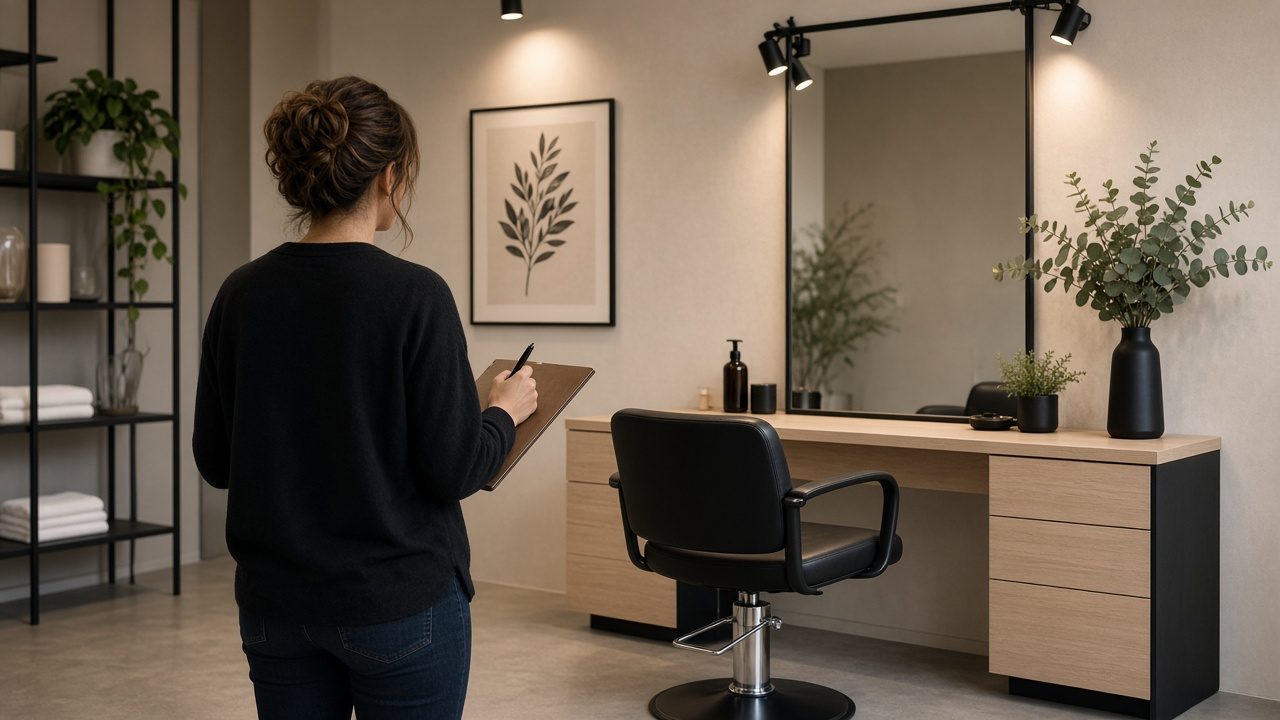
An effective studio launch timeline begins eight to twelve weeks prior to your targeted grand opening date. The earliest phase focuses on legal entity formation and commercial lease execution. Before ordering retail inventory or purchasing decor, you must establish your business name, register a formal legal structure such as a limited liability company (LLC), and obtain an Employer Identification Number (EIN) from the federal government.
Space Planning and Functional Studio Layout
The next critical phase covers space planning and functional layout design. Measure your suite dimensions carefully before purchasing furniture. While commercial suite facilities typically provide an adjustable hydraulic styling chair, a shampoo basin, and basic cabinetry, you will need to supply specialized storage carts, client waiting seating, retail display shelving, and customized lighting. Ensuring wide clearance around your styling chair prevents ergonomic strain during long working days.
Budgeting for launch expenses is equally vital during this early stage. Beyond your refundable security deposit and first week’s rent, reserve adequate capital for initial wholesale color orders, professional styling tools, sanitization supplies, software setup fees, and branding collateral. Tracking these expenditures against a predefined budget ceiling keeps your startup debt under control.
Finally, establish an emergency buffer for unexpected delays. Cosmetology board inspections or municipal occupancy sign-offs can occasionally take longer than anticipated. Having a two-week scheduling cushion ensures you do not have to reschedule eagerly awaiting clients if your opening inspection is delayed by a few business days.
Licensing and Permits: How to Open a Salon Studio Legally

Understanding how to open a salon studio legally requires navigating multiple layers of state and local government regulations. As an independent suite renter, your individual cosmetology operator license is not enough; you must also secure a separate salon establishment or suite license from your state board of cosmetology. Each state mandates specific physical requirements for establishment licensing, including adequate hot water supply, approved disinfectants, covered waste receptacles, and proper ventilation.
In addition to state cosmetology board approval, you must secure necessary municipal permits. Comprehensive licensing instructions provided by the SBA Licenses and Permits Portal detail the common local business licenses, tax registrations, and zoning clearances required for commercial retail operations. Check with your city clerk or county administration office to obtain a general business license and verify that your salon suite facility possesses valid commercial zoning for personal grooming services.
Federal Tax Infrastructure and Commercial Insurance
Setting up your federal and state tax infrastructure is an equally mandatory step. Resources from the IRS Starting a Business Center outline the requirements for obtaining a federal Employer Identification Number, opening a dedicated commercial bank account, and understanding your quarterly estimated tax obligations. Keeping your personal and business finances strictly separated protects your corporate liability veil and makes tax season seamless.
Finally, secure comprehensive commercial liability insurance before moving equipment into your suite. Most salon suite landlords will not issue your keys until you provide a certificate of insurance listing them as an additional insured party. A comprehensive policy covering general liability, professional malpractice, and personal property ensures you are protected against unexpected accidents.
Equipment and Inventory Supply Checklist for New Studios
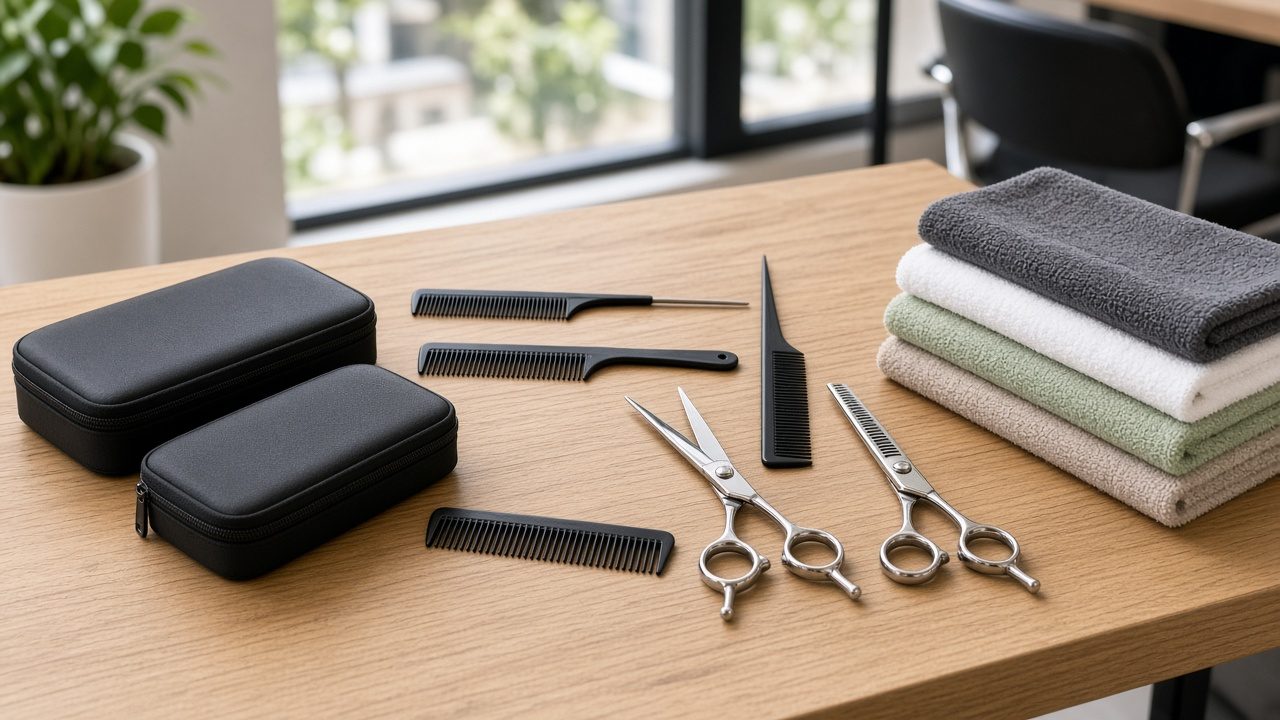
Utilizing a detailed opening a salon checklist for backbar equipment and dispensary supplies ensures you have every necessary tool ready for your first service. Running out of foils, bleach developer, or sanitizing solution in the middle of a client appointment creates needless stress and damages your professional reputation.
Consider the following structured supply checklist when placing your initial wholesale distributor orders:
- Professional Cutting and Heat Tools: High-grade styling shears, texturizing shears, professional ionic hair dryers, curling wands, flat irons, and clippers.
- Backbar Chemical Inventory: Permanent color lines, demi-permanent glosses, lighteners, developers (ten through forty volume), bond builders, and neutralizing shampoos.
- Sanitization and Sanitation Equipment: Hospital-grade EPA-registered disinfectant, wet sanitizing jars, spray disinfectants, neck strips, and clean storage containers for sanitized implements.
- Linens and Protective Wear: Bleach-resistant towels, chemical capes, cutting capes, aprons, and silicone neck rests for the shampoo bowl.
- Client Comfort and Beverage Station: Single-serve coffee maker, bottled sparkling water, pre-packaged gourmet treats, and an accessible charging station for client mobile devices.
Dispensary Organization and Daily Sanitization Tools
Organize your dispensary logically before opening day. Place high-frequency items, such as measuring scales, mixing bowls, whisk tools, and tint brushes, within arm’s reach of your mixing counter. A tidy, well-labeled dispensary saves valuable minutes during back-to-back appointment schedules.
Client Migration and Communication Timeline for Salon Suites
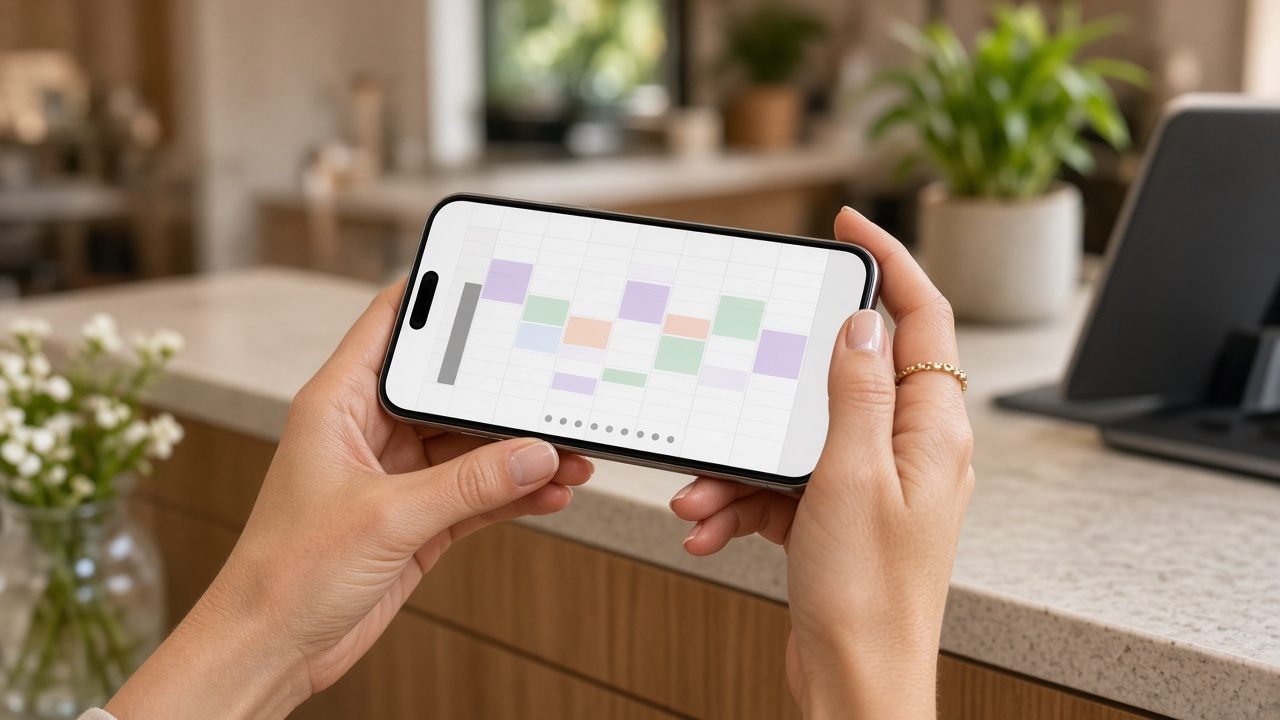
The financial success of your new studio depends on how smoothly your existing clients transition with you. Managing your client announcement timeline with professionalism and care is essential. Review your previous employment agreement to ensure compliance with any non-solicitation clauses, and focus on building strong personal relationships through your professional social media channels and digital portfolio.
Begin teasing your transition four to six weeks before opening. Share behind-the-scenes glimpses of your studio build-out, color swatches, or fixture installations on Instagram and Facebook to build excitement. When clients see the thought and care you are investing into their future appointment experience, they will eagerly support your independent venture.
Two to three weeks prior to launch, send direct personal notifications to your client contact list. Provide your new studio address, detailed parking instructions, suite number, and a direct link to your new online booking portal. Offering a clear, user-friendly digital booking experience encourages clients to lock in their recurring appointments well in advance of opening day.
During opening week, send automated text and email appointment reminders forty-eight hours before each service. Include specific directions on how to access the suite building (such as entry door codes or intercom instructions), ensuring your clients arrive feeling relaxed and excited rather than frustrated by parking or building navigation.
Setting Up Digital Booking and Retail Systems Before Opening
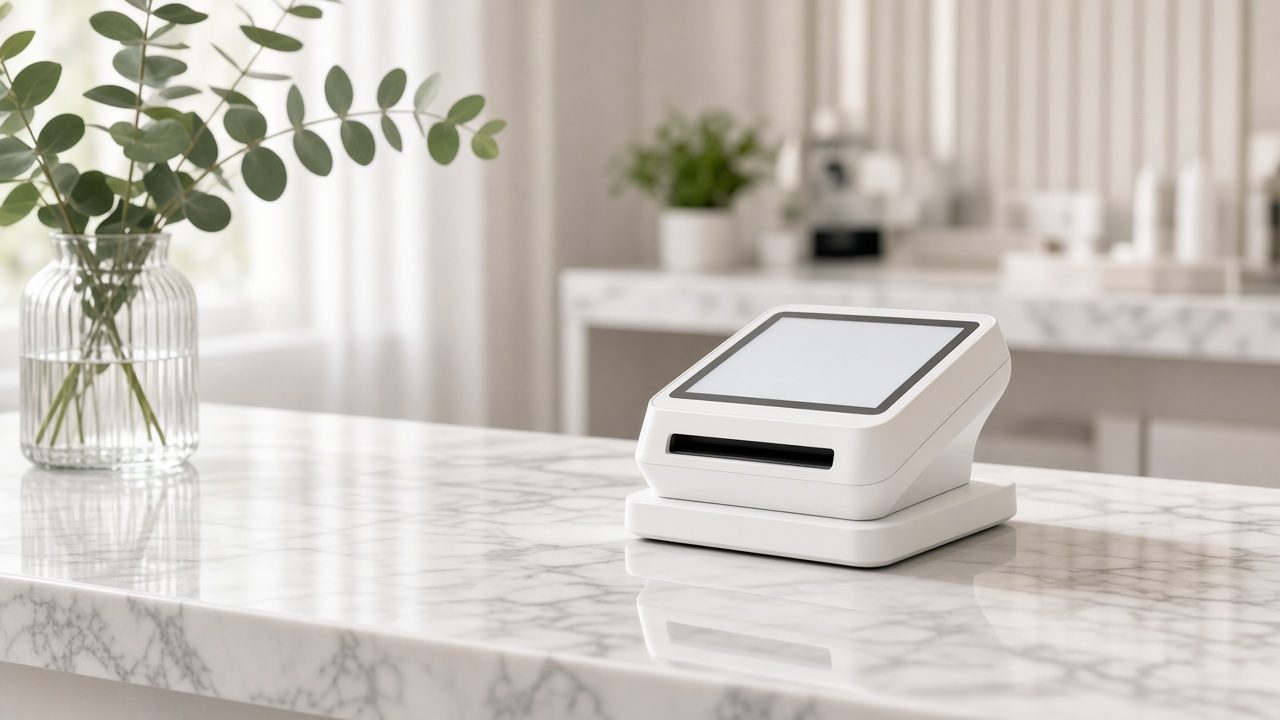
Configuring robust digital operational software is one of the highest-leverage tasks on your opening a salon suite checklist. Modern salon booking platforms handle scheduling, credit card processing, client intake forms, automated SMS reminders, and inventory tracking within a single mobile application. Selecting and testing your software at least three weeks before opening allows you to iron out technical glitches before client transactions begin.
Set up your service menu with transparent pricing, accurate service duration estimates, and clear add-on options. If a full balayage appointment requires three hours, ensure your booking software blocks out the full three hours plus ten minutes of sanitation and cleanup time. Accurate calendar blocking prevents overbooking and maintains a calm, luxurious studio atmosphere.
Establish clear cancellation and deposit policies within your digital booking system. Requiring a credit card on file or a non-refundable deposit for services exceeding two hours dramatically reduces costly last-minute cancellations and no-shows. When policies are clearly communicated during the initial booking flow, clients respect your time and business boundaries.
Finally, stock your retail display shelves with curated hair care products that complement your specialized services. Merchandising high-quality shampoos, deep conditioners, and heat protectants allows your clients to maintain their salon results at home while providing a lucrative secondary revenue stream for your business. When your physical suite, digital systems, and client communications work in perfect harmony, opening day marks the beginning of an extraordinary, profitable independent career.
Frequently Asked Questions
How far in advance should stylists begin the studio launch process?
Stylists should begin planning eight to twelve weeks prior to the targeted grand opening date. This early phase focuses on legal entity registration, commercial lease signing, and budgeting for initial startup supplies.
What licenses and permits are required to operate an independent salon studio?
Independent operators must obtain a state cosmetology establishment or suite license in addition to their personal operator license. Local municipal business licenses, tax registrations, commercial zoning clearance, and general liability insurance are also required.
When should stylists announce the studio move to clients?
Stylists should begin sharing behind-the-scenes build-out teasers on social media four to six weeks prior to launch. Direct personal announcements with booking links, address details, and parking instructions should be sent two to three weeks before opening day.
What essential equipment and supplies must be ordered before launch?
Essential orders include cutting shears and styling heat tools, professional backbar chemical inventory, hospital-grade EPA disinfectant, towels, and client capes. Stylists should also configure automated online booking software and stock retail care products.